
The Season Is Turning
by Anna Nelson – There’s a morning each fall when I step outside and the air smells different. Wet leaves. Woodsmoke from somewhere down the road. The fog sits a little longer over the water. That’s when I start thinking about my cupboards.
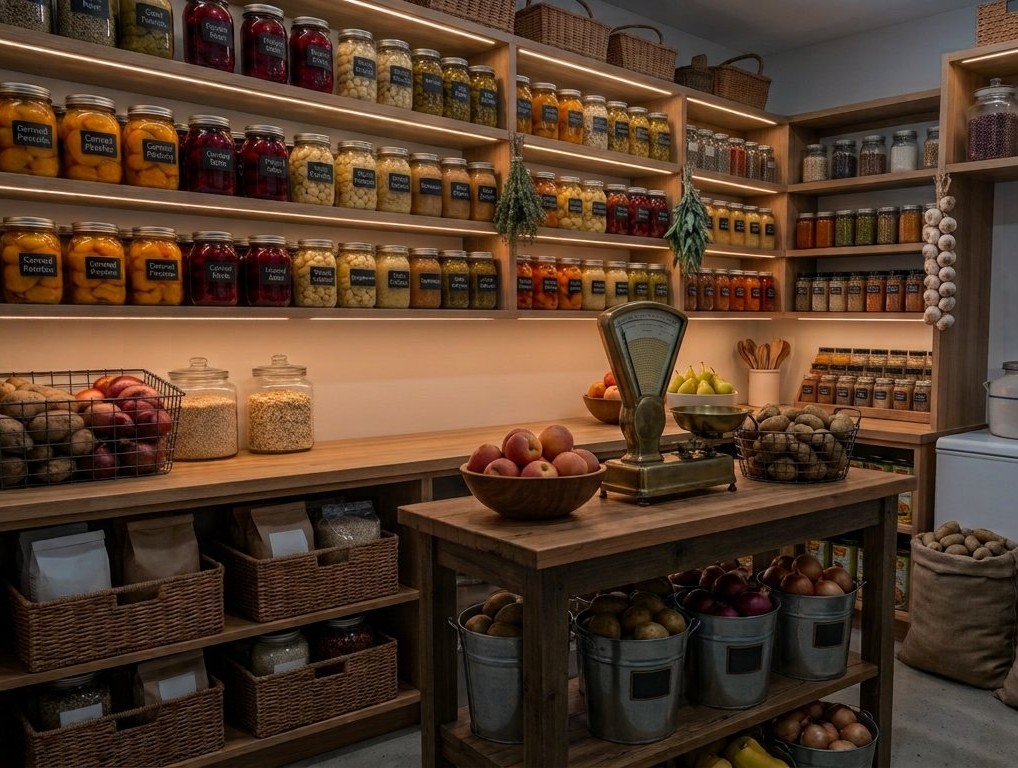
Right now, our partner farms are near the peak of their harvest. The OtterBee’s shop still has summer tomatoes and peppers. It also has potatoes, beets, shallots, apples, and pears. That overlap won’t last. By January, most fields along the coast will be quiet. What we eat then depends a lot on what we put away now.
The good news is that you don’t have to do it all in one big haul. I like to add a few extra pounds to my order each week. One Saturday it’s potatoes. The next it’s apples. Over a month or so, the shelves start to fill up. It feels a little like stacking a woodpile. Every armload counts.
Buying this way helps the farms, too. A late-season sale gives a farmer cash to get through their own slow months. That’s a quiet kind of support, and it adds up.
Roots and Bulbs That Keep
Potatoes are the backbone of a winter pantry. Valley Flora Farm in Langlois has five kinds on the site this week: Red Gold, Yellow, Painted Purple, Purple Fiesta, and French Fingerling. Red Golds and Yellow potatoes are buttery and yellow inside. They’re great mashed or roasted. The Purple Fiesta ones hold their shape in soup, and the electric blue color is a nice surprise on a gray day.
 To keep potatoes for months, think cool, dark, and dry. Around 45 to 50 degrees is ideal. An unheated closet, garage, or basement works well. Store them in a paper bag or a cardboard box with a few holes. Don’t wash them first. Skip the fridge, too. Cold turns their starch to sugar, so they taste oddly sweet and brown too fast when you cook them. Check the pile every couple of weeks and pull out any soft ones. And keep them away from onions, which make potatoes sprout sooner.
Red shallots from Valley Flora are one of the best keepers on the list. Put them in a basket or mesh bag somewhere cool with good air flow. They’ll last for months. A potato and shallot gratin in February is a very good reason to buy an extra pound now. Slice the potatoes thin. Tuck shallots between the layers. Pour in a little cream and broth, then bake until the top is crisp and brown.
A quick word about the cured Walla Walla onions. They’re sweet and mild, and they’re lovely. But sweet onions hold a lot of water, so they don’t store for long. Enjoy them fresh over the next few weeks. Or cook down a big batch. Slice a few pounds and cook them low and slow in butter until they’re jammy and dark gold. Freeze them in an ice cube tray. In January, drop a cube into soup, gravy, or a pot of beans. The whole kitchen will smell like fall.
Beets are tougher than they look. Red and gold bunches are both on the site from Valley Flora. When you get them home, cut off the greens, leaving about an inch of stem. Cook the greens soon, the way you would chard. Put the roots in a bag in the crisper drawer. They’ll keep for weeks, often a couple of months. For longer storage, roast them, slip off the skins, slice, and freeze. Or make quick fridge pickles with vinegar, a little sugar, and a few slices of shallot.
Green and red cabbages from Lehne Farm fit here too. A whole head keeps for weeks in the fridge. It’s also the start of a good jar of sauerkraut.
Fruit for the Dark Months
Apples feel like fall in your hand. Cool, heavy, a little waxy. This week there are organic apples from Smith River Organic Farm, just down the road. Apples keep best cold. The crisper drawer or a spare fridge in the garage is perfect. Put them in a plastic bag with a few holes poked in it. Keep them away from your other produce. Apples give off a natural gas called ethylene that makes things stored nearby ripen and spoil faster.
Sort them before you put them away. Any apple with a bruise or soft spot goes in the “eat this week” bowl. One bad apple really can speed up the rest.
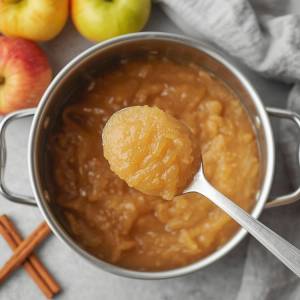 If you run out of fridge space, applesauce is the easy answer. Chop the apples, skins and all. Add a splash of water and a pinch of cinnamon, then simmer until soft. Mash them or run them through a food mill. Applesauce freezes well in jars or bags. On a cold morning, warm applesauce over oatmeal tastes like the orchard came inside.
Pears work the same way. The Bartlett pears from Lehne Farm ripen fast and don’t keep long, so they’re perfect for pear sauce. It tastes softer than applesauce, a little like honey. Pears are juicy, so you only need a spoonful of water in the pot. Add a squeeze of lemon to keep the color bright. They cook down in about 15 to 20 minutes. Peel them first if you want it smooth, or leave the skins on for a more rustic sauce. You can also mix pears and apples half and half. Pear sauce freezes well, and it’s lovely spooned over yogurt or next to a pork chop on a cold night.
Also new this fall are Asian pears from SparrowOak’s Farm in Smith River. There are three kinds on the site: Hosui, Niitaka, and Shinseiki. They’re crisp and juicy, a bit like a cross between a pear and an apple. They also keep in the fridge much longer than a soft Bartlett does. Wrap each one loosely in paper so they don’t bruise. Slice one thin in December and eat it with sharp cheese. It’s a small, bright bite in a dark month.
Putting Summer Away
Tomatoes won’t keep on a shelf. But they might be the most worth saving. A jar of homemade sauce in February tastes like August. Right now there are beefsteaks from Lehne Farm, cherry tomatoes from Ocean Air Farm, and a heirloom mix from Valley Flora Farm.
 The easiest way to save tomatoes is to freeze them whole. Wash them, cut out the core, and put them in a freezer bag. That’s it. When they thaw, the skins slip right off. Drop them into soup or chili.
Roasting takes a little longer, but it’s worth it. Cut the tomatoes in half and toss them with olive oil, salt, and a few garlic cloves. Roast them low and slow until they slump and the edges turn dark and sticky. Cherry tomatoes are wonderful this way. Let them cool, then freeze them in small containers.
If you like to can, use a tested recipe. Tomatoes need added acid, like lemon juice or citric acid, to be safe in a water bath canner. The National Center for Home Food Preservation has clear, free instructions.
Peppers are just as easy. Roast the red Anaheims and bell peppers until the skin blisters. Peel them and freeze them flat in bags. You can also chop them raw and freeze them. They go straight from the freezer into the pan.
Come January, you’ll open a bag of tomatoes, grab potatoes from the box, and pull a few shallots from the basket. Every bit of it grew within a couple hundred miles of your kitchen. You’ll know who grew it. The money you spent stayed right here in our region. That’s a good feeling on a cold night.
Orders open Tuesday and Wednesday for Saturday delivery. Add a few extra pounds this week. Then do it again next week.
Anna Nelson is a writer and editor based in Smith River, CA. She writes about local food and seasonal shifts and is a proud OtterBee’s shopper and contributing author to the OtterBee’s Market blog.

