by Anna Nelson – Winter eating around here has its own rhythm. The rush of summer is gone, the fields are quieter, and what’s left is food that’s meant to last. Roots pulled from cold soil. Greens that sweeten after a frost. Apples that have been resting in storage, holding their snap and their perfume. A winter produce box is not flashy, but it’s deeply satisfying. This is the season when meals slow down, when soups simmer longer, and when local food shows just how resilient it can be.
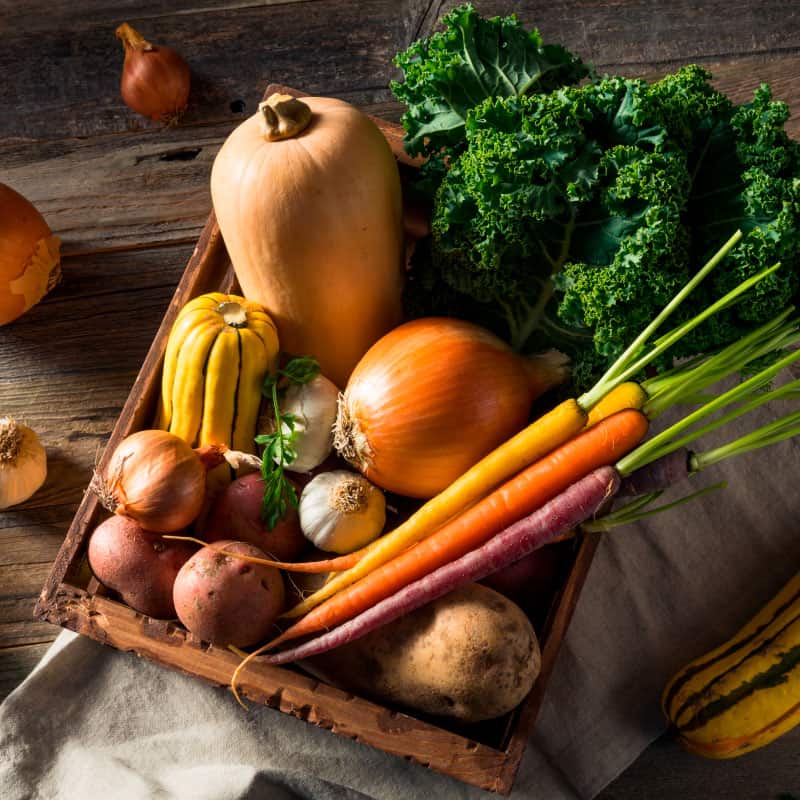
This week’s winter produce box at OtterBee’s pulls together that steady mix. You’ll find sturdy roots like carrots and beets, staples like potatoes, lighter salad greens, hearty mushrooms, and apples that still taste like fall even as the days shorten. These are the kinds of ingredients that make sense right now. They travel well from nearby farms, keep beautifully in your kitchen, and lend themselves to simple, comforting meals without much fuss. The box feels grounded, the way winter food should.
Roots that carry the season
 Winter roots are having their moment, and for good reason. Carrots grown through cooler months tend to be sweeter, their sugars concentrated by cold nights in the soil. Beets feel denser and more mineral-rich. Potatoes bring an earthy comfort to winter meals, dependable and filling, whether they’re roasted until crisp or tucked into a pot of soup to soak up flavor. These crops come from farms that plan months ahead, harvesting late or storing carefully so they can keep feeding the community long after summer beds are cleared.
It’s easy to let these vegetables do the heavy lifting in a meal. A pot of roasted carrots and beets tossed with olive oil and salt can become dinner alongside a piece of fish or a bowl of beans. Potatoes slip easily into winter cooking, turning into a warm, comforting soup with just onion and broth, or mashed smooth and served wherever something grounding is needed. The beauty of winter produce is that it doesn’t need much to taste good. Time, heat, and good ingredients do most of the work.
A brighter side of winter
Winter greens look a little different this time of year, and that’s part of the charm. Right now, it’s lettuce holding the line, grown slowly and carefully under protection rather than pushed by heat or long days. Winter lettuce is tender and mild, with a clean, fresh crunch that feels almost surprising in the middle of the season. It’s the kind of green that reminds you not everything has to be heavy this time of year. A simple salad alongside roasted squash or a bowl of soup can brighten up a whole meal without trying too hard.
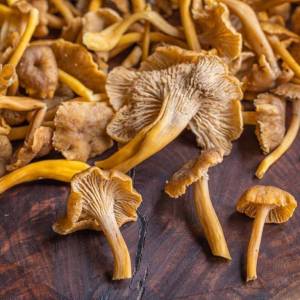 By contrast, wild mushrooms bring the deeper, but also refreshing, winter note. Fresh mushrooms have a way of grounding a dish, adding richness and that unmistakable forest flavor that feels especially right when the weather turns. Sautéed gently with a little butter or olive oil, they can turn into a simple topping for grains or toast, or get folded into a warm pasta or risotto-style dish without much effort. There’s something special about mushrooms in winter, too. They connect us to the woods and to the people who harvest carefully and seasonally, paying close attention to timing, ecosystems, and place.
Together, the lettuce and mushrooms show two sides of winter eating. One light and fresh, the other earthy and deep. It’s a reminder that even in the quiet months, there’s still variety, and still plenty of flavor coming from nearby fields and forests.
Apples, nuts, and the long view
 Apples still play a role in the winter box, thanks to careful storage and varieties bred to keep well. Local apples right now tend to be crisp, lightly sweet, and perfect for both eating out of hand and cooking. They show up in winter meals in quieter ways, sliced into salads with nuts and cheese, or baked down into a simple compote that feels like dessert without being heavy.
Hazelnuts are another winter staple with deep regional roots. Oregon-grown hazelnuts connect this season to a much longer agricultural story, one of perennial crops that support soil health and local economies year after year. Tossed into a grain bowl with roasted squash, or chopped and sprinkled over roasted vegetables for crunch, they add richness and a sense of place. This is the kind of food that reminds you where you live, even when everything outside feels gray and still.
Winter staples, made close to home
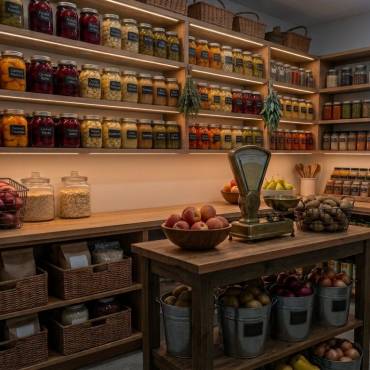
 Winter is also when the pantry starts to matter just as much as what’s coming out of the ground. This time of year, OtterBee’s shelves lean into nonperishables that carry the season forward in quieter ways. Jams made from last summer’s berries still taste bright on toast or stirred into yogurt, a small reminder of warmer months tucked into a winter morning. Local cheeses from Rumiano and Face Rock Creamery step into a bigger role now, too, adding richness and comfort to simple meals, sliced alongside roasted vegetables, melted into warm dishes, or enjoyed slowly with good bread.
Small-batch sauces from nearby makers bring depth to hearty bowls and winter dinners without much effort. And the herbs, tonics, and seasonal blends from Octopus Herb Garden feel especially at home this time of year, steeped and sipped when the light fades early and the weather turns inward. These are foods made with patience, meant to last, and deeply connected to the same farms and producers that fill the produce boxes. In winter, they become part of the rhythm, helping us keep eating locally even as the fields slow down.
Why winter boxes matter
A winter produce box is not about novelty. It’s about continuity. These foods travel fewer miles, rely less on energy-intensive storage and transport, and support farmers who grow with the seasons rather than against them. Eating this way keeps dollars closer to home and reduces the hidden costs that come with out-of-season imports. It also helps us stay connected to the land.
There’s something reassuring about opening a box that reflects the time of year honestly. Winter produce asks us to cook a little slower, to repeat meals we love, to lean into warmth and simplicity. It fits naturally into local living, into evenings spent inside, into the small rituals that get us through the darker months.
As this week’s winter produce rolls through OtterBee’s, it’s worth leaning into what is offered. These are ingredients meant to be used, shared, and appreciated right now. Adding them to your order is a small way to stay connected to local farms, seasonal rhythms, and the steady food that carries us through winter.