
by Anna Nelson – We don’t like to play favorites, but French Fingerlings are easy to love.
They’re the kind of potato that makes you pause when you open your produce bag—rosy-skinned, long and knobby like little heirlooms, and when you slice them open, there’s that soft blush pink interior like a watercolor wash. They’re beautiful, but more importantly, they’re good. Like really good.
These freshly dug French Fingerlings come from Valley Flora Farm in Langlois, just up the coast from OtterBee’s Market HQ. They were grown using organic practices in the kind of healthy, coastal soil that’s perfect for potatoes—cool, loose, and full of life. This batch was harvested just days before hitting our shelves, which means you’re getting potatoes at their peak: flavorful, creamy, and still holding onto that earthy freshness you can’t fake.
Meet the French Fingerling
French Fingerlings are a specialty variety, a bit different from your standard russets or Yukons. They’re considered a “waxy” type of potato, which just means they have a firm texture and lower starch content. That makes them ideal for roasting, sautéing, or throwing into a saladl, anywhere you want a potato to hold its shape and soak up flavor without turning to mush.
The skin is thin and edible (no need to peel), and the flesh stays moist and tender when cooked. Some folks say they have a hint of nuttiness or even a buttery quality, but we’d just call it great potato flavor—the kind that doesn’t need much dressing up.
Storage Tips (Because These Beauties Are Untreated)
Unlike the mass-produced spuds you’ll find at a big-box grocery store, Valley Flora’s French Fingerlings aren’t treated with chemical sprout inhibitors or storage waxes. That’s a good thing for your health and the environment, but it does mean they’re a little more perishable.
Here’s how to keep them at their best:
- Store in a cool, dark, dry place. A pantry or cupboard works well, especially in a paper or mesh bag. Avoid plastic—it traps moisture and can lead to mold.
- Don’t wash before storing. That protective layer of soil helps preserve freshness.
- Keep them out of the light. Exposure to sunlight can turn potatoes green and bitter-tasting.
- Use within a month. That’s the sweet spot for maximum flavor and texture.
And if you see a sprout or two, don’t panic. Just snap them off and keep cooking—these are living foods, after all.
How to Cook Them
Roasting is where French Fingerlings really shine. High heat, a little oil, and some salt, that’s all you need. You can toss in herbs, garlic, or even a splash of lemon juice or vinegar at the end for brightness. They also love a good pan-fry (especially cut lengthwise), or you can steam them gently and serve with butter and fresh herbs.
Here are a few simple ideas to get you started:
- Classic Roasted Fingerlings: Slice potatoes in half lengthwise. Toss with olive oil, salt, and rosemary. Roast at 425°F for 25–30 minutes until crispy outside and creamy inside.
- Warm Fingerling Potato Salad: Steam or boil potatoes until tender. Toss with chopped green onions, Dijon mustard, olive oil, and a splash of white wine vinegar while still warm. Add chopped parsley or dill. Serve slightly warm or at room temp.
- Skillet Potatoes with Garlic and Paprika: Thinly slice potatoes and sauté in a cast iron pan with butter or oil, garlic, smoked paprika, and a pinch of sea salt. Flip occasionally until browned and soft.
- Sheet Pan Dinner: Toss halved fingerlings with chunks of carrot, bell pepper, and chicken thighs or tofu. Season with your favorite spice blend (we like a mix of thyme, oregano, and lemon zest). Roast at 400°F for 35–40 minutes.
- Potato, Greens, and Egg Hash: Boil or roast potatoes, then chop roughly. Sauté with kale or chard, crack in a couple of eggs, and cover the pan until they’re just set. Finish with hot sauce or grated cheese.
Because French Fingerlings hold their shape so well, they’re also a natural fit for soups and stews, or nestled next to fish or steak on a dinner plate. They even make great leftovers; reheat them in a skillet and they’ll crisp up like hashbrowns.
A Potato with a Story
It’s easy to forget how special potatoes like these really are. Most of what we see at the store has been bred for shelf life, uniformity, and industrial farming—not flavor. But French Fingerlings, like a lot of the crops coming out of small farms, come from older, more diverse seed stock. They’re part of a broader effort to preserve agricultural heritage while keeping food systems local and resilient.
Valley Flora Farm has been walking that walk for years. They’re a second-generation, family-run farm nestled in the Floras Creek valley near Langlois. Their growing practices prioritize soil health, biodiversity, and care for the land, and it shows in the quality of everything they grow, from their carrots and greens to these stunning potatoes.
Why Local Matters
When you buy potatoes from a farm like Valley Flora, you’re supporting a better food system. Local farms mean: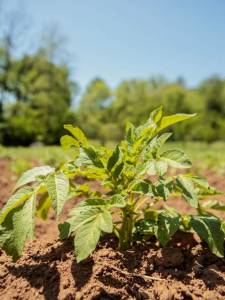
- Fewer food miles. These potatoes didn’t travel hundreds of miles to get here.
- More flavor. Freshly harvested produce hasn’t sat in storage for weeks.
- Resilience. Small farms are better able to respond to local needs and growing conditions.
- Connection. You can learn where your food comes from, who grew it, and how.
That’s a big part of why we do what we do at OtterBee’s Market. By delivering food directly from small, nearby farms to homes in Brookings, OR and Crescent City, CA, we’re helping close the loop: bringing people closer to their food and their farmers, one delivery at a time.
So the next time you’re wondering what to make for dinner, try starting with these French Fingerlings. Let them anchor your plate, whether it’s a lazy Sunday roast or a quick midweek hash. You don’t need a fancy recipe or culinary degree, good ingredients, a hot oven, and a little salt will do the trick. And if you ask us, that’s potato perfection.