by Anna Nelson – If you haven’t checked the OtterBee’s website closely in a week or two, it’s worth a fresh look. Things are shifting. Not in a big flashy way. Just the steady, real-life kind of change that happens when you work directly with farms and small producers. Items get added. Others rotate out. A new product shows up quietly in the mix. That’s part of the point. This isn’t a static grocery aisle. It’s a living snapshot of what’s available right now, from people growing and raising food not far from here.
That rhythm of old and new is one of the quiet joys of shopping with OtterBee’s. Some weeks feel familiar, anchored by the things you reach for again and again. Eggs you trust. Cheese that disappears faster than you planned. Greens that somehow make it into almost every meal. Then, without much fanfare, something new slips in. A product you didn’t know you were missing until it’s there. If you’re in the habit of just ordering the same thing, this is your nudge to scroll a little slower and see what’s changed.
The Comfort of What You Know
There’s a reason certain items anchor the week. UpsideDown eggs, Alexandre dairy, and Rumiano cheeses have become steady standbys because they’re flexible and dependable. A carton of eggs can be dinner just as easily as breakfast. Scrambled with a handful of sautéed greens, tucked into a quick frittata, or laid over toast, they carry a meal without much fuss. A wedge of local cheese shaved over roasted vegetables or melted into a grilled sandwich turns something simple into something you actually look forward to.
Meat and seafood play a similar role. Oat Hill Organic Beef and locally sourced fish from Fishermen Direct Seafood fit easily into the cooking rhythms most of us already have. Sirloin browned with onions can become tacos one night and top a bowl of pasta the next. Sablefish roasted with lemon and olive oil doesn’t need much else besides a side of potatoes or winter greens. When food is raised and handled with care, flavor carries the meal.
The pantry section is where quiet magic happens. A jar of mustard, a small-batch sauce, a local soup ready to heat on a busy night. These aren’t flashy items, but they do a lot of heavy lifting in late winter. When the weather feels heavy and daylight is short, having good ingredients within reach makes all the difference. And since new condiments and staples rotate in regularly, it’s worth scanning that section instead of assuming it’s the same as last week.
What’s New This Week
Lamb is now on the site, and it changes the way a week of meals might look. Ground lamb opens up easy options like patties seasoned with garlic and rosemary, served alongside roasted carrots and potatoes. It can also slip into a simple skillet with onions and greens, maybe a spoonful of yogurt on top. It’s hearty without feeling overdone, and it reflects the kind of small-scale farming that values the whole animal, not just a few popular cuts.
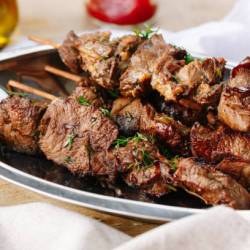 The lamb kabobs lean into shared meals. Even in cooler months, they invite you to fire up the grill or roast them in the oven and serve them with warm flatbread and a simple salad. There’s something about skewers that feels communal, even if it’s just a weeknight dinner at home. You can find both the ground lamb and kabobs on the meat and seafood page, and they’re worth a look before you finalize your cart.
There’s also a new vegan Worcestershire sauce in the condiments section. It might seem like a small addition, but it fills a real gap for plant-based cooks or anyone avoiding anchovies. A splash in lentil soup deepens the flavor. Stirred into a pot of beans or brushed onto roasted mushrooms, it adds that savory note people often miss. It’s a reminder that a local food system doesn’t have to be narrow. It can support traditional pasture-raised meats and thoughtful plant-based options at the same time.
Seasonal Cooking, Simply
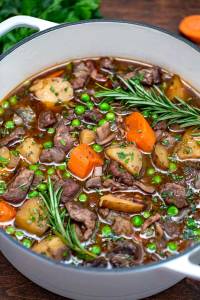
Late winter cooking leans practical. Most of us want meals that feel nourishing without requiring a long prep session. The mix on OtterBee’s right now supports that instinct. A pot of stew made with ground lamb, carrots, and potatoes stretches across several days and only gets better as it sits. Toast topped with eggs and sautéed greens works for breakfast or dinner, depending on what the day looks like. A mushroom-based shepherd’s pie with a splash of vegan Worcestershire sauce adds depth without complicating the process.
 Even small upgrades matter. Serving lamb kabobs with roasted root vegetables and a dollop of yogurt can make a weeknight feel a little more intentional. Adding a slice of good bread alongside a bowl of soup turns something basic into something satisfying. These aren’t complicated recipes. They’re small shifts that come from having better ingredients on hand.
There’s also comfort in knowing where these foods come from. Shorter food miles mean fresher products, but they also mean your dollars stay closer to home. Farms can plan better. Producers can respond to what this community actually wants to eat. When items rotate in and out, it’s often because something new is in season or a producer has something fresh to offer. That’s why checking the site each week matters. It’s not just about what’s available. It’s about staying connected to the rhythm of local production.
Why It’s Worth a Second Look
 The balance of old favorites and new finds reflects something bigger. A local food system isn’t fixed. It grows as farms grow, as seasons shift, and as community needs change. Keeping familiar staples available builds trust. Adding new items keeps things interesting and responsive.
If you’re planning your week, take a few extra minutes to scroll through the categories instead of heading straight for your usual picks. Notice what’s new. Maybe it’s lamb this week. Maybe it’s a sauce you’ve been wishing for. Adding one or two of those new items to your OtterBee’s order supports the farms and producers willing to try something different and keeps our local food system moving forward.
The website is always evolving, just like the farms behind it. A quick second look might spark a meal you hadn’t planned yet.