by Anna Nelson – If you’ve ever scrolled through the OtterBee’s Market shopping page and paused at “fennel,” you might’ve thought: huh, what exactly do I do with that? You’re not alone. Fennel is one of those vegetables that sparks strong feelings. Some folks swear it’s the star of their kitchen; others wrinkle their noses, convinced it tastes like licorice in disguise. Either way, it’s a plant worth knowing and worth giving a chance.
What It Is and Why It Divides People
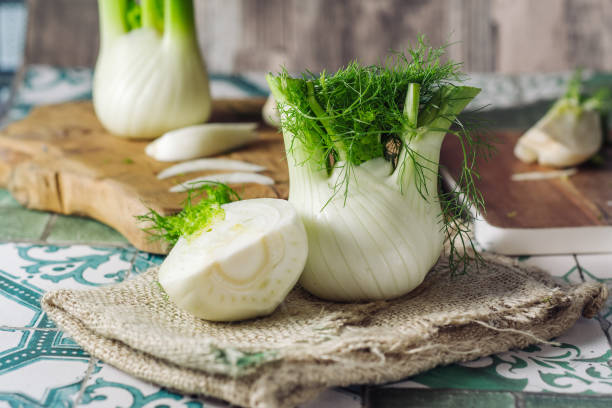
Fennel looks a little like celery’s eccentric cousin. At the bottom, you’ve got a white bulb that’s crisp and juicy. From the bulb grows a cluster of green stalks topped with feathery fronds that resemble dill. Every part of it is edible: the bulb, stalks, fronds, and even the seeds if you let it flower and dry.
It’s part of the carrot family, though you’d never guess by looking. Native to the Mediterranean, fennel has been around for thousands of years. Ancient Greeks believed it gave people courage, Romans thought it boosted strength, and it shows up in old herbal medicine texts as a cure-all for everything from snake bites to stomach aches.
Flavor-wise, fennel has a mild licorice or anise taste, especially when raw. That’s where people get divided. Some love that sweet, herbal crunch. Others can’t get past the black-licorice vibe. The good news is that cooking fennel changes everything; it mellows out into something sweet, nutty, and almost caramelized.
Fans will tell you it’s unbeatable sliced thin in salads or roasted golden alongside fish and potatoes. The fronds can be used like fresh herbs, sprinkling brightness into whatever you’re cooking. Haters usually stop at the raw flavor, not realizing how different it becomes with a little heat. If you’re in that camp, try roasting it before making up your mind.
How to Actually Use It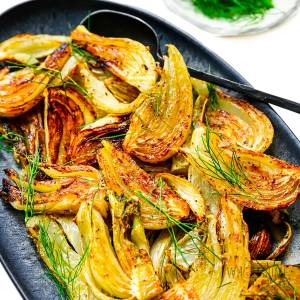
Here’s where fennel shines: it can slip into everyday cooking more easily than most people realize. Slice it raw into paper-thin shavings for a citrus salad. Toss wedges onto a sheet pan with carrots and potatoes, roast at 400°F, and finish with a squeeze of lemon. Drop chopped stalks into a soup base the same way you’d use celery. Or layer the bulb under a fillet of salmon or cod before baking. It almost melts into the fish, giving it a subtle sweetness without being overwhelming.
Even the fronds have their role. Chop them and scatter over roasted veggies, scrambled eggs, or grain bowls. They add color and a gentle, herby lift. And if you let the plant go to seed, you’ll get the fennel seeds you’ve tasted in Italian sausage or as a crunchy after-meal digestive at Indian restaurants.
If the licorice flavor makes you nervous, pair fennel with citrus. Oranges and lemons are its best friends. The acidity softens the anise note and pulls forward its sweeter side. A simple fennel-orange salad can win over even the skeptics.
Strange Facts and Local Roots
Fennel has a quirky backstory. Roman gladiators believed it made them strong before battle. Swallowtail butterfly caterpillars love it, so gardeners often plant fennel just to host them. In old folklore, fennel was thought to ward off evil spirits. And chew a few fennel seeds after a garlicky dinner—you’ll find they’re nature’s breath freshener.
 But what makes fennel really special for us here is that it grows well in our coastal climate. Buying local fennel means it was harvested at its peak, crisp and juicy, not limp from traveling thousands of miles. It keeps food miles low, cuts down on carbon emissions, and keeps your dollar close to home. Every bulb you add to your OtterBee’s order helps keep small farms in Southern Oregon and Northern California thriving.
Eating seasonally is part of that picture, too. Fennel naturally comes into its own in the cooler months. Eating it now means you’re in sync with the land around you, instead of leaning on produce shipped across the globe. It’s one of those simple but powerful choices that supports both your dinner plate and the bigger local food web.
Why Now’s the Time to Try It
The biggest hurdle with fennel is just deciding to try it. It looks a little odd, tastes unusual raw, and can feel intimidating if you’ve never cooked with it. But think of it like onion or celery—something you can slip into soups, roasts, or salads without fuss. It doesn’t need a complicated recipe to be good.
Here’s a no-fail starter idea: thinly slice half a bulb, toss with orange slices and olive oil, sprinkle with salt and pepper, and scatter a few chopped fronds on top. That’s it. Or roast chunks with potatoes until caramelized and sweet. Suddenly fennel goes from mystery vegetable to weeknight staple.
And this time of year, fennel is at its best locally. Crisp, aromatic, and grown just down the road. Add a bulb or two to your OtterBee’s shopping cart and give it a fair shot. Maybe you’ll roast it and decide it’s not your thing. Or maybe you’ll discover a new favorite that brightens your winter meals. Either way, you’ll be supporting the farms that keep our community fed and strong.