
by Anna Nelson – It’s that time again… the bins are filling up with bright, knobby, oddly beautiful squash of every size and shape. Some are striped, some smooth, some shaped like a heart, a bell, or a flying saucer. They look like art supplies disguised as food, but this is the real stuff of fall cooking. Around here, winter squash is more than a decoration; it’s a pantry staple that carries us through the cold months with color, sweetness, and heartiness that few other vegetables can match.
Right now at OtterBee’s, we’re seeing the first wave: delicata and acorn. Next week, spaghetti, butternut, and sugar pie pumpkins will roll in. Each has its own personality, its own perfect use in the kitchen, and its own story in local fields. Grown just up the road, these squash come to us straight from farms that rely on short, seasonal harvests and careful curing—meaning low food miles, full flavor, and less waste.
A Whole Family of Flavor
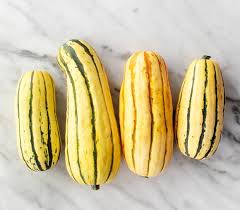
It’s easy to think of “squash” as one thing, but there’s an entire extended family of them, each with their own quirks and strengths. Delicata is the friendly one, the tender-skinned cousin that doesn’t need peeling and tastes almost like a sweet potato kissed with brown sugar. Slice it into half-moons, toss with olive oil and a drizzle of maple syrup, and roast until golden. It’s an easy weeknight win.
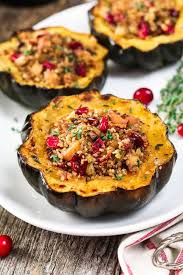 Acorn squash, with its green ridges and orange flesh, feels like a classic. Its shape makes it perfect for stuffing. Try cutting it in half, scooping out the seeds, and filling it with a mix of rice, cranberries, toasted nuts, and sausage or lentils. When it roasts, the filling soaks up that nutty sweetness.
Then there’s the workhorse of the bunch: butternut squash. Every soup lover knows it. Roast it, blend it, season it with sage or curry, and it’s comfort in a bowl. It’s smooth and rich enough to pass for cream, even in vegan recipes. Butternut also holds its shape in stews or pasta dishes, which makes it a go-to for meal prep or one-pan dinners.
And we can’t forget the oddball favorite: spaghetti squash. Once roasted, its flesh shreds into tender golden strands that look (and almost act) like pasta. Toss it with marinara, pesto, or butter and Parmesan for a light, satisfying dish that soaks up whatever flavors you throw its way.
Finally, there’s the sugar pie pumpkin, the one that smells like October and feels like nostalgia. It’s the true pumpkin for pies, not the big carving kind. Roasted and pureed, it turns into velvety filling for pies, muffins, or pancakes. A single pumpkin can flavor a week’s worth of breakfasts if you’re creative with leftovers.
Cooking, Storing, and Savoring the Season
 The beauty of winter squash is how forgiving it is. Once cured (a few weeks of drying at the farm to toughen the skin and concentrate sugars), it keeps for months without refrigeration. That means it’s one of the most sustainable crops around—no plastic clamshells, no short shelf life, no rush. Just store it somewhere cool and dry, and it’ll quietly wait its turn.
This is one of the reasons small farms love growing squash. It gives them a reliable late-season crop that holds its value and flavor long after summer vegetables are gone. For eaters, it means we can enjoy local produce deep into winter without needing imports from far away.
A few fun kitchen tricks make it even more rewarding. If peeling feels like a pain, skip it. Delicata and acorn skins soften beautifully in the oven. For varieties with thicker rinds, roasting first makes scooping effortless. And if you end up with leftovers, pureed squash freezes perfectly in mason jars or zip bags. Add a label with the date and type; you’ll thank yourself later when soup season hits.
Recipe idea: Roasted Squash with Brown Butter and Crispy Sage
Cut any firm squash (acorn or butternut both work well) into cubes. Toss with olive oil, salt, and pepper, then roast until caramelized. In a small pan, melt butter until it browns slightly, toss in a few sage leaves until crisp, and pour over the squash. Finish with a sprinkle of flaky salt. It’s simple but tastes like you spent all day cooking.
Recipe idea: Spaghetti Squash “Pad Thai”
Use roasted spaghetti squash instead of noodles. Toss the strands with peanut sauce, lime juice, chopped green onions, and a handful of roasted peanuts. Add tofu, shrimp, or chicken if you like. It’s light, quick, and surprisingly satisfying.
Recipe idea: Pumpkin Oat Muffins
Puree sugar pie pumpkin with eggs, honey, oats, and warm spices (think cinnamon, nutmeg, ginger). Bake until the tops are golden. They stay moist for days, freeze well, and make your house smell incredible.
A Local Harvest Worth Savoring
Every winter squash has a story, rooted in soil just miles away. Local growers in our region have been busy harvesting and curing these varieties before the first frost hits. Some grow heirloom seeds passed down through generations; others experiment with hybrids bred for flavor and resilience in coastal climates. The point is, this is food with a footprint you can trace.
 When you buy squash through OtterBee’s, you’re keeping those farms running strong through the slower months. You’re also reducing waste: most small growers store and sell squash gradually, ensuring that what reaches your table is still firm, sweet, and at its best. This is so much better than the grocery store varieties, often picked prematurely and bred for a long shelf life rather than peak flavor. And let’s be honest, few things brighten a cold evening like a baking sheet full of caramelizing squash that came from someone’s nearby field.
So as fall deepens and winter looms, stock up. Add a few to your OtterBee’s order this week. They’ll carry you through soups, stews, pies, and breakfasts well into the new year. These are the keepers of the season—sweet, savory, and as local as it gets.