
 by Anna Nelson – Fava beans are one of those fleeting seasonal treasures that mark the shift into summer on the Oregon Coast. At OtterBee’s, we get them from Valley Flora Farm in Langlois, where they serve a double purpose: enriching the soil with nitrogen and feeding us something rich, nutty, and altogether special. If you’ve never worked with fresh fava beans in their pods, or you’re just rusty from last season, you’re not alone. They’re a little labor-intensive, but absolutely worth the effort.
First things first: prep work
When you open your OtterBee’s delivery and find a bag of fava pods staring back at you, it’s time to get shelling. Each pod contains three to six beans inside a cozy, cushioned interior. To get to them, pinch the stem end and unzip the seam. It’s a bit like shelling peas, just chunkier.
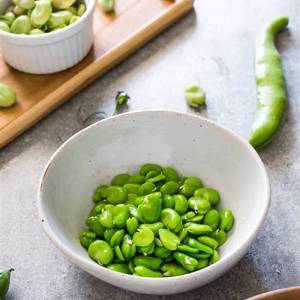
Once shelled, the beans still wear a pale, waxy skin. You’ll want to blanch them for 20 to 30 seconds in boiling water, then transfer them immediately to an ice bath. From there, the skins slip off easily and you’re left with those vibrant green gems. For a step-by-step visual, we recommend this guide from The Kitchn: How to Prepare Fava Beans.
You can toss smaller, younger beans straight into dishes without peeling if you’re short on time, but the peeled ones are creamier and sweeter. Most folks peel, especially when favas are the star of the plate.
Cooking with favas: the good stuff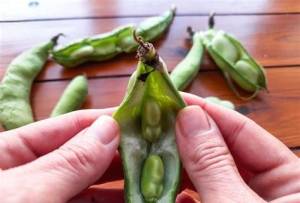
The peeled beans are versatile and friendly to all kinds of spring pairings. Their nutty flavor plays well with mint, lemon, garlic, and soft cheeses. They’re also lovely with other green things: asparagus, peas, even zucchini. Here are a few go-to ideas to make the most of your haul:
- Warm salad with mint and lemon: Sauté your peeled favas in olive oil with shallots or green garlic. Finish with chopped mint, lemon zest, and a bit of crumbled feta or ricotta salata.
- Grilled pods: Yes, you can grill the whole pod! Toss them in olive oil and sea salt and place directly on the grill until the pods are charred and smoky. Eat the beans out of the pod like edamame.
- Fava bean mash: Puree blanched, peeled favas with garlic, olive oil, lemon juice, and salt for a bright-green spread. Great on toast or alongside roasted vegetables.

- Spring ragout: Combine favas with peas, asparagus, and baby carrots in a light broth or white wine sauce. Serve over polenta or rice.
- Simple pasta: Add favas to a pan with sautéed onions and pancetta or mushrooms, then toss with pasta, Parmesan, and a touch of cream.
 Storage and shelf life
Fava beans are fresh and fleeting. If you’re not ready to prep them right away, keep the pods in a produce bag in your fridge crisper drawer and use them within a week. If you want to stretch the season, you can blanch and peel the beans, then freeze them in a sealed container or bag. They hold up well that way, and you’ll thank yourself come fall.
We should also mention that favas are one of the few crops that do a solid for the soil, too. As part of the legume family, they naturally fix nitrogen into the ground, which helps reduce the need for synthetic fertilizers. That means when you eat favas from a farm like Valley Flora, you’re not just eating local, you’re supporting regenerative agriculture.
Why they matter (and why we love them)
There’s something meditative about preparing fava beans. The shelling, the blanching, the peeling—it all forces a little slowness, a little intention. And that lines up with how we think about food here at OtterBee’s. We like meals that connect us to a season, to a place, to the person who grew it. Favas do all three.
 They also happen to be good for you. Fava beans are packed with plant protein, fiber, folate, and iron, and they even contain L-dopa, a compound your body uses to make dopamine. (Pretty wild for a humble bean.) They’re hearty without being heavy, and they make a great base for vegetarian meals.
So give it a try, put a bag of fava pods in your next OtterBee’s delivery. Then take a little time, pour yourself something nice, and make an evening out of prepping them. Your future self, whether you’re eating toast with fava mash or spooning up a spring ragout, will be very grateful.
And if you have a favorite way to cook them, send us a note or tag us. We love seeing what you all make with the season’s bounty.