 Beets don’t get enough credit. Sure, they have a strong personality—earthy, bold, unapologetically magenta—but they also bring color, sweetness, and texture to the table in a way few other vegetables do. Over the years, I’ve come to appreciate beets not just for their nutrition, but for the way they brighten up my meals. Especially when my veggie routine starts to feel repetitive or uninspired, beets are a reliable way to shake things up.
The Bold Beauty of Beets
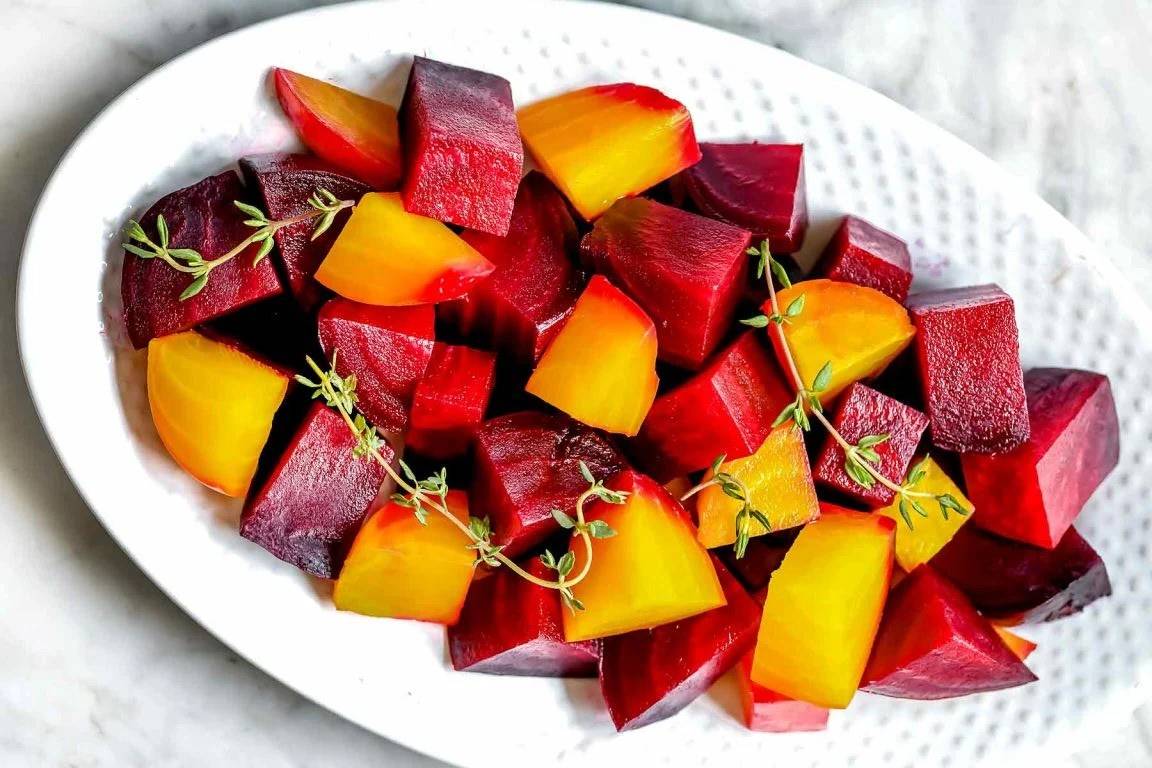
Let’s start with the obvious: that color. Roasted, blended, or grated raw, beets turn everything they touch into a shade of vibrant pink, deep purple, or soft gold. There’s something kind of magical about that, and it turns out it’s more than just looks. Beets are rich in betalains, pigments responsible for their dramatic hues, which have antioxidant and anti-inflammatory properties. These compounds may support heart health, reduce inflammation, and help the body process toxins more efficiently.
Beyond their visual appeal, beets are packed with nutrients. They’re high in fiber, which supports digestive health, and contain nitrates that can help lower blood pressure by improving blood flow. This makes them a valuable addition to a balanced diet, even if you’re not on a health kick. Ever heard a nutritionist say, “Eat the rainbow?” This is why. And beets pull their weight in the often-overlooked purple slice of that rainbow.
Beets also store well, are inexpensive, and come in more varieties than people realize. Red beets might get most of the attention, but golden (or yellow) beets are a great option if you want something milder and slightly sweeter. They have all the same benefits, but with a more subtle flavor that some folks prefer—and they won’t turn your cutting board pink.
Beyond the Basics: Creative Ways to Enjoy Beets
When I first started cooking with beets regularly, I leaned on the basics: roasted beets tossed in a salad with goat cheese and walnuts, or sliced thin and layered onto grain bowls. I still love them that way, but I also started experimenting. There are so many other ways to use them:
- Beet Hummus: Blending roasted beets into hummus not only adds a vibrant color but also a subtle sweetness that pairs well with garlic and tahini. (More on this in a minute…)
- Beet Cakes: Pureed beets in chocolate cake add moisture and a surprising depth of flavor.
- Beet Frosting: Beet juice or puree can naturally tint frosting without a drop of artificial dye—eye-catching for sure, even if it made my husband a little nervous.
- Beet Chips: Thinly sliced and roasted or dehydrated, beets become crunchy, slightly sweet chips.
- Beet Smoothies: Raw or cooked beets can add color and nutrients to smoothies, especially when paired with berries or citrus. (A breakfast favorite of mine.)
Classic Preparations: Roasted and Raw
Of course, you don’t have to get fancy. Beets hold their own in simple recipes, too:
- Roasted: Enhances their natural sweetness and gives them a tender texture.
- Boiled: Quick and easy, perfect for salads or purees.
- Grated Raw: Adds crunch and earthiness to slaws and wraps.
- Pickled: Tangy and bright, great for topping sandwiches or snacking straight from the jar.
A Fresh Take: Beet Hummus
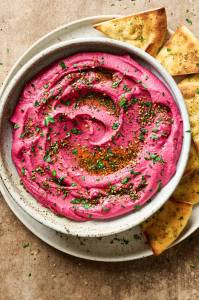 One of the easiest and most satisfying ways to use roasted beets is in hummus. I first came across beet hummus in Kat Odell’s cookbook Unicorn Food, and I was drawn in by the color alone. But after a few rounds of tinkering, I ended up with my own version that better fits my taste—lighter on the beet, heavier on the lemon and yogurt to keep it fresh and balanced.
If you’re not a fan of the earthy flavor of red beets, try using golden beets instead. They’re milder, sweeter, and work beautifully in hummus. The result is a creamy, mellow dip with a golden hue, and far less mess.
This version tones down the earthiness, adds brightness from lemon, and uses Greek yogurt for a light, tangy creaminess. I love it with pita chips, fresh veggies, or spread on sandwiches. It keeps well for up to a week in the fridge, and somehow gets better with time.
Bright Beet Hummus (Adapted from Unicorn Food by Kat Odell)
Ingredients:
- 2 small to medium beets, roasted, peeled, and chopped (about ¾ cup)
- 1½ cups cooked chickpeas (or 1 can, drained and rinsed)
- ¼ cup tahini
- ¼ cup plain Greek yogurt
- 2 cloves of garlic
- Juice of 1 lemon (about 2 tablespoons)
- 1 tablespoon olive oil
- ½ teaspoon dried parsley or dill (or a mix of both)
- ½ teaspoon of cumin
- Salt to taste
- 1–2 tablespoons cold water, as needed for texture
- Optional: a splash of balsamic vinegar (I find this brings out the sweetness of the beets, to give you a full-bodied flavor)
Instructions:
- Add all ingredients to a food processor. Start with 1 tablespoon of water to loosen the mixture, and add more if needed.
- Blend until smooth and creamy, scraping down the sides as needed.
- Taste and adjust—more lemon juice or salt if needed, more herbs if you want it fresher.
- Chill before serving if you have time; the flavors deepen as it sits.
Top with a drizzle of olive oil, a few crushed pistachios, or even a dollop of yogurt if you want to get fancy.
If you’re looking for a way to fall back in love with your vegetable drawer, or just want something new to spread on your sandwich, give this beet hummus a try. It might just surprise you.