
By Anna Nelson –
At OtterBee’s Market, we’re proud to deliver the freshest local produce to homes in Brookings, Oregon and Crescent City, California. But what does fresh really mean? Around here, it means food that hasn’t traveled far. It means fruits and vegetables picked at the peak of flavor. And it means reconnecting with the natural rhythm of our growing seasons.
Whether you’re new to eating seasonally or just looking to plan your meals around what’s freshest, we’ve created a Seasonal Harvest Calendar tailored to our region. You’ll find a sample below, and a link to the full version later in this post. It reflects what’s grown and harvested within a 200-mile radius of Brookings, drawing on the region’s rich farmland, coastal microclimates, and unique seasonal patterns.

What’s in Season This Spring
Spring is a time of tender greens, bright roots, and the first signs of summer bounty. In April and May, here’s what’s typically fresh and local in our area:
Leafy Greens
- Spinach – Tender and nutrient-packed, spinach is perfect raw in salads or gently wilted into pastas, scrambles, or soups.
- Chard – With its colorful stems and earthy flavor, chard adds a pop to any plate. Try sautéing with olive oil and garlic or tossing it into stews.
- Lettuce & Mesclun Mixes – These soft, sweet greens are the foundation of great spring salads.
- Kale – Still going strong, especially curly or flat-leaf varieties, kale can be massaged for raw dishes or cooked into hearty meals.
Early Roots
- Radishes – Crisp and peppery, radishes are a springtime favorite. Slice into salads or roast whole for a sweeter flavor.
- Carrots & Beets – Depending on conditions, early bunches begin to appear now and continue through fall.
 Spring Vegetables
- Asparagus – One of the true harbingers of spring. Roast it, grill it, or shave it raw into salads.
- Peas – Snap, snow, and shelling peas all make their entrance in spring. Eat raw, lightly steamed, or stir-fried.
- Leeks & Green Garlic – These alliums add gentle flavor to soups, pasta, or roasted veggie trays.
Foragers’ Favorites
- Morels – Spongy and savory, morels are a treat for adventurous cooks when available.
All of these are sourced from nearby farms and wild lands. Right now, for example, our spring greens are coming from Ocean Air Farm in Ft. Dick, California and Valley Flora Farm in Langlois, Oregon—coastal farms both known for their organic practices and flavorful early harvests.
Looking Ahead: Summer’s Coming
As we move into June, July, and August, our harvest calendar shifts from tender greens to the heart of the growing season. Here’s a preview of what’s to come:
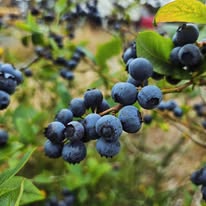
- Berries – Strawberries, raspberries, blueberries, and blackberries ripen through summer. Look for locally grown varieties with short shelf lives and amazing flavor.
- Garlic, Green Beans, Cucumbers – These staples hit their stride in early summer.
- Tomatoes, Corn, Peppers, and Melons – These sun-loving crops peak in August and September.
- Stone Fruits – Cherries, nectarines, plums, and peaches make summer snack time extra sweet.
Summer also marks the season of abundance—when weekly deliveries are overflowing with options for grilling, preserving, or just snacking straight from the box.

A Full Year of Eating with the Seasons
Our Seasonal Harvest Calendar gives you a month-by-month guide to what’s available. Want to know when to expect local apples or winter squash? This calendar lays it all out, helping you plan meals, shop wisely, and support our local farms year-round.
Please note that availability may vary from year to year based on local weather and growing conditions.
A link or printable version of the full calendar can be found here.
Simple Ways to Enjoy Seasonal Veggies
Here are a few simple, no-fuss ideas for making the most of your spring produce: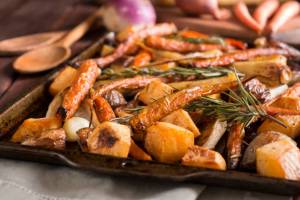
- Spring Stir-Fry – Toss asparagus, snow peas, and radishes in a hot pan with sesame oil and tamari.
- Green Pasta – Add spinach, chard, and green garlic to your next pasta night with a squeeze of lemon.
- Roasted Rainbow Roots – Toss chopped beets, carrots, and radishes with olive oil, salt, and pepper, then roast until tender and caramelized for a colorful, slightly sweet spring side dish.
- Greens and Eggs – Wilt any greens into a breakfast scramble or bake into a veggie-packed frittata.
If you’re ready to get more adventurous, try pickling radishes, preserving herbs in oil, or making a chard-and-nut pesto to freeze for later use.
How to Store Spring Veggies

Seasonal veggies are often fresher but more perishable than grocery store produce. Here are some storage tips to help them last longer:
- Greens – Wrap in a damp towel or store in a vented container in the fridge’s crisper drawer.
- Radishes & Carrots – Remove the tops and store roots in a sealed container. Adding a little water can help prevent drying out.
- Asparagus – Keep stems upright in a jar with a little water, like cut flowers. Cover loosely with a plastic bag.
- Mushrooms – Store in a paper bag in the fridge to prevent sliminess caused by trapped moisture.
Proper storage keeps your produce fresher and reduces food waste.
Why Eat with the Seasons?
Eating seasonally is a return to the way humans have eaten for generations. When you choose foods that are growing in your region right now, you get to enjoy better flavor from produce that’s been freshly harvested, often just days—or even hours—before it reaches your plate. You also help reduce the environmental impact of long-distance food transport, since seasonal foods don’t need to be shipped thousands of miles to get to you.
It’s often more affordable, too. In-season crops are typically more abundant, which helps keep prices down. Most importantly, eating with the seasons supports small-scale farmers in your community who are growing food with care and intention. It also encourages you to cook with more variety throughout the year—radish salads in spring, tomatoes on the grill in summer, roasted squash in the fall. There’s a natural rhythm to it that makes meals more meaningful and often more delicious.
OtterBee’s Tip: Let the Season Guide You
At OtterBee’s, we highlight what’s best each week through product descriptions, featured recipes, and blog posts like this one. We also work directly with farmers to bring in what’s fresh, so if you’re ever unsure how to use something from your order, reach out. We’re happy to share ideas and recipes.
Shopping locally and seasonally is a simple way to live in rhythm with nature and support your community. So whether you’re planning meals, preserving the harvest, or just enjoying a plate of sautéed greens, know that you’re doing something good for your body, your farmers, and the planet.
Want to see what’s in season now? Check out this week’s selection of local produce and start building your next OtterBee’s order around the best of the season.