
by Anna Nelson – The season may be edging toward fall, but sweet corn is still hanging on at its peak, and it deserves a place in your OtterBee’s order. Few foods say summer like corn on the cob—steamed, roasted, grilled, or tucked into a chowder. The good news is, corn is more than just a seasonal treat. It’s a crop with deep roots in human history, countless varieties, and a central role in traditional growing practices. And when you pick up local ears through OtterBee’s, you’re not just stocking up for dinner. You’re tasting the result of centuries of seed saving, shared knowledge, and cultural traditions that made corn central to how people eat and live.
A Crop Older Than Time (Almost)
Corn isn’t just a side dish. It’s one of humanity’s great agricultural stories. Thousands of years ago, Indigenous farmers in what’s now Mexico carefully bred a wild grass called teosinte into the plump, golden ears we recognize today. Over generations, it became more than a crop—it was the foundation of entire civilizations. Corn fed communities, supported trade, and found its way into spiritual traditions.
By the time Europeans arrived in the Americas, corn was already woven into daily life from South America up to the Great Lakes. More than food, it was used for building material, animal feed, and even medicine. Colonists who survived those first harsh winters often did so thanks to Indigenous neighbors teaching them how to grow corn and store it for leaner months.
That history lingers in every cob you shuck. When you drop fresh corn into your OtterBee’s basket, you’re tapping into a relationship between humans and land that spans thousands of years.
More Than Yellow and White
Most of us picture sweet yellow kernels dripping with butter, but corn is wildly diverse. Popcorn, flour corn, flint corn, dent corn, and sweet corn are just the start. Some are grown for tortillas, others for hominy or polenta, and still others for animal feed. Then there are the colors—red, blue, purple, black, even multicolored “glass gem” corn that looks like beads. Each has its own taste, texture, and story.
Here on the coast, local farmers mostly grow sweet corn, the juicy kind perfect for eating fresh. But even within that category, there are varieties with subtle differences: super sweet types that stay sugary longer after harvest, old-fashioned heirlooms with a milky bite, and hybrids bred for tender kernels that practically melt in your mouth.
This variety matters for more than flavor. Biodiversity keeps crops resilient, helps farmers adapt to weather changes, and protects food traditions. Local farms also make choices that impact more than the ear in your hand. Some rotate corn with beans or squash to replenish the soil naturally. Others stagger plantings so you keep getting tender cobs across the summer rather than one big glut all at once. Practices like these mean less reliance on outside inputs, less waste, and more steady availability for folks like us who want fresh ears week after week.
Corn’s Benefits Go Beyond the Plate
Sure, sweet corn tastes good. But it’s also packed with fiber, antioxidants, and B vitamins. Those kernels have lutein and zeaxanthin, which support eye health. They also bring a surprising amount of protein compared to many vegetables, making corn both satisfying and nourishing.
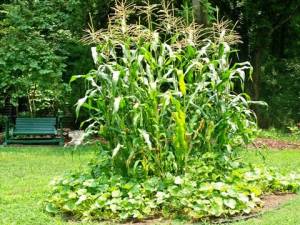 Corn is also one of the most versatile crops around. The cobs and husks can be composted, feeding soil life for the next season. Farmers sometimes plant corn alongside beans and squash, the “Three Sisters” method practiced by Indigenous growers for centuries. Each crop supports the others: corn gives beans a stalk to climb, beans fix nitrogen in the soil, and squash shades out weeds. It’s a living reminder that farming works best when plants support one another.
On a bigger scale, choosing local corn means less trucking, less fuel burned, and fewer days between field and plate. The closer you are to the farm, the sweeter your corn tastes. You can literally taste the difference between an ear picked last week at Lehne Farm in Roseburg and one shipped from hundreds of miles away.
And let’s not forget the freezer. Cutting kernels off the cob and freezing them gives you little bursts of summer sunshine long after the season ends. Imagine pulling out a bag in January and folding it into a chowder, or adding it to cornbread batter. That’s a gift from the present to your future self.
Keeping It Local, Keeping It Seasonal
One of the joys of shopping through OtterBee’s Market is knowing the corn in your basket grew just “over the hill”. The fields that produced it are part of our landscape; buying local corn keeps those fields productive, keeps farmers farming, and keeps our food system grounded here at home.
We’re near the tail end of corn season, so now’s the time to grab it before it disappears. Roast a batch on the grill, cut the kernels off the cob and freeze them for winter soups, or fold them into a skillet with peppers and onions for a quick side dish. If you’re not sure how you’d use it all, here are a few ideas that step outside the usual:
- Corn Ice Cream: Sweet corn actually makes a fantastic base for ice cream. Simmer kernels in milk and cream, strain, then churn with sugar and a touch of vanilla. The result is silky, sweet, and slightly nutty. It’s a conversation starter at any summer gathering. Check out this recipe for a full guide.
- Corn Pancakes with Honey Butter: Instead of adding blueberries or chocolate chips, fold fresh corn kernels into pancake batter. The little pops of sweetness pair perfectly with honey butter or maple syrup. Breakfast with a twist. Smitten kitchen has a great recipe!
- Savory Corn Pudding: This isn’t dessert, it’s a custardy, cheesy side dish. Eggs, cream, corn, and a bit of sharp cheddar baked together until golden on top. Think of it as mac and cheese’s country cousin. Try out this version from Southern Living.
- Corn and Tomato Galette: Use a simple pastry crust, pile on fresh corn and sliced tomatoes, add a sprinkle of feta or goat cheese, and fold the edges over. It bakes into a rustic, colorful tart that looks fancy without much effort. We love to make it this way, like Half-baked Harvest!
- Corn Husk-Wrapped Fish: Next time you’re baking or grilling fish, try wrapping it in soaked corn husks instead of foil. It locks in moisture, adds a subtle sweetness, and keeps dinner local from two directions at once.
Picture it: a late-summer table with grilled corn alongside tomatoes, peaches, and fresh herbs, each bite carrying the richness of the season. Corn is a harvest food, a marker of community gatherings and changing light, and it only lingers for a short while. Before the fields shift into fall, add a few ears to your OtterBee’s order this week and let the season’s sweetness be part of your own kitchen story.