by Anna Nelson – There’s a moment every August when I bite into a tomato and am in heaven. It happens every year. One day the tomatoes in my kitchen are fine, and the next day they’re something else entirely. Warm, sweet, a little sharp at the edges, juice running down my wrist before I even get it to a plate. That’s the tomato I’m chasing all year, and right now, it’s here.
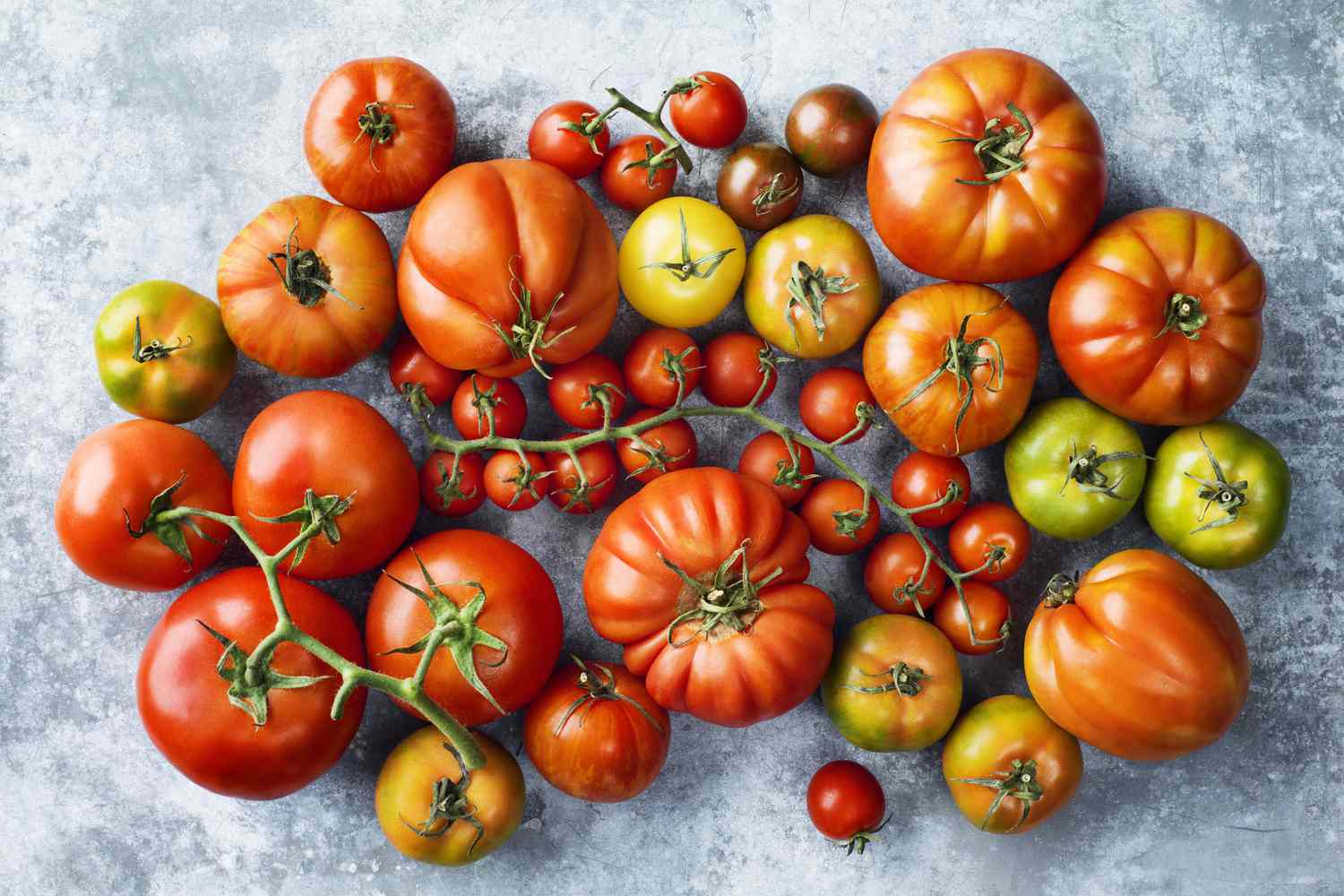
Currently, our tomatoes are coming from Lehne Farms, and we hope to have some from Valley Flora Farms soon, too. Glen and Wendy Lehne run rows of them alongside their peppers, corn, and stone fruit, and they lean on hoop houses to stretch the season a little longer. What comes out of those fields is the real thing. Beefsteaks big enough to cover a slice of bread on their own. Cherry tomatoes that taste like candy if you eat them straight off the vine. Heirloom slicers with names most people have never heard of, in colors that don’t look like anything at the grocery store.
I wanted to slow down this week and actually talk about tomatoes. Not just how to use them, though we’ll get there, but what makes them so interesting in the first place. There’s more going on with this fruit than most of us think about while we’re slicing one up for a sandwich.
More Varieties Than You’d Ever Guess
Most people know three kinds of tomatoes. Big ones for slicing, little ones for salads, and the ones in a can. But there are thousands of tomato varieties out there, and the differences between them go way beyond size.
Take beefsteaks. These are the classic sandwich tomato, meaty and mild, built for a thick slice on a BLT. Then you’ve got cherry and grape tomatoes, which are bred more for sweetness and snacking than for cooking. A good cherry tomato has almost no acidity fighting the sugar. It’s just pure fruit flavor in a bite-sized package.
 Heirlooms are where things get fun. These are old varieties, sometimes generations old, grown from seeds that farmers save and replant year after year instead of buying new hybrid seed. That’s why you’ll see heirloom tomatoes in colors you don’t expect. Deep purple ones that almost look bruised but taste incredible. Green ones that stay green even when fully ripe. Yellow and orange ones that are milder and less acidic than a standard red tomato. Some heirlooms even have a smoky, almost savory quality to them, which is part of why chefs love using them raw.
Then there are paste tomatoes, the dense, low-moisture kind bred for sauces and canning. They don’t taste like much raw, but cook one down and you’ll understand why they exist. All that flesh and almost no watery seed cavity means a sauce that thickens fast and tastes concentrated.
The point is, a tomato isn’t just a tomato. Picking the right variety for what you’re making actually matters, the same way you wouldn’t use a baking potato for potato salad.
A Few Things Most People Don’t Know About Tomatoes
Tomatoes are technically a fruit, not a vegetable. Botanically speaking, they’re a berry, since they grow from the flower of the plant and hold the seeds inside. The vegetable label is really just a kitchen habit, not a scientific one.
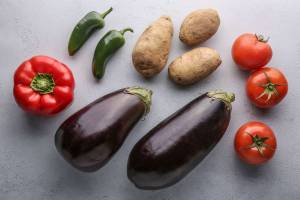 They’re also part of the nightshade family, which means they’re cousins with potatoes, peppers, and eggplant. That family originally comes from South America, and tomatoes as we know them were first domesticated in what’s now Mexico, long before they ever showed up in Europe. It took a while for tomatoes to catch on there too. For a long time, people in parts of Europe thought tomatoes were poisonous, mostly because rich folks were eating them off pewter plates that leached lead into acidic foods and made people sick. The tomato got blamed for something the plates were actually doing.
Here’s one that changes how people store tomatoes. Never put a ripe tomato in the fridge. Cold temperatures break down the membranes inside the fruit, which kills the texture and dulls the flavor. A tomato left on the counter, out of direct sun, will taste better days later than one that spent even one night in the fridge.
And if you’ve ever wondered why grocery store tomatoes can taste like almost nothing, a lot of it comes down to timing. Commercial tomatoes are often picked while still green and firm enough to survive shipping, then gassed with ethylene to trigger the color change to red. The color shows up, but the sugars never really finish developing the way they would on the vine. That’s the difference you’re tasting when a local, vine-ripened tomato hits your tongue and a supermarket one just doesn’t.
What It Actually Takes to Grow One Around Here
Tomatoes want heat. Real heat, with warm days and warm nights, because that’s what pushes sugar development in the fruit. That’s part of why growing good tomatoes along our stretch of coast isn’t as simple as it looks on paper. Between Brookings and Crescent City, we get marine fog that can sit for hours before burning off, cool nights even in August, and a growing season that’s shorter and gentler than what inland valleys get.
That’s why a lot of our tomatoes come from farms like Lehne’s, which sit further inland, where the days actually get hot and the nights don’t drop the way they do right on the coast. For anyone trying to grow tomatoes in a coastal garden here, smaller varieties tend to have better luck. Cherry and grape tomatoes ripen faster and need less sustained heat than a big beefsteak does. Hoop houses or a simple greenhouse structure can make a real difference too, since they trap warmth and cut down on the fog rolling straight through the plant. It’s not impossible to grow tomatoes right on the coast, but it takes some extra effort and the right variety, which is part of why so much of what fills our bins comes from just a bit further inland.
A Few Ways to Use What’s Coming In
With tomatoes this good, I try not to overthink dinner. Here’s what’s been on my table lately.
 Slow roasted cherry tomatoes are one of my favorite things to have on hand all week. Toss a pint of cherry tomatoes with olive oil, a few smashed garlic cloves, salt, and a splash of balsamic, then roast them low, around 300 degrees, for close to an hour until they start to collapse and caramelize. Keep them in a jar in the fridge and spoon them over eggs in the morning, toss them with pasta, or pile them onto toast with a little ricotta. They’ll keep for close to a week and somehow taste better every day.
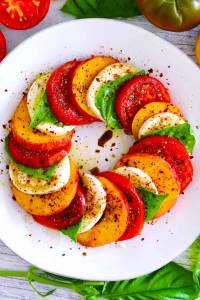
Tomato and peach salad is one of those combinations that shouldn’t work as well as it does, but late summer is the exact moment to try it. Slice ripe tomatoes and ripe peaches together, scatter torn basil over the top, add a good pinch of flaky salt, and finish with olive oil. The sweetness of the peach and the acid of the tomato balance each other out in a way that feels like summer distilled into one plate.
If you end up with tomatoes that never quite ripened before the season turns, don’t toss them. Green tomatoes are firm and tart, almost like a cross between a tomato and a green apple, and they hold up beautifully to cooking. Slice them thick, dredge them in cornmeal seasoned with salt and pepper, and pan fry them in a little oil until golden on both sides. Top with a spoonful of aioli or a sharp cheddar and you’ve got a dish that uses up the end of the season instead of letting it go to waste.
And for something a little different, try a raw tomato water. Blend very ripe tomatoes with a pinch of salt, then strain the pulp through cheesecloth overnight in the fridge, letting the clear liquid drip through on its own without pressing it. What’s left is a pale, almost amber liquid that tastes like the essence of a tomato without any of the pulp. Sip it cold on its own, or use it as the base for a very simple, very elegant gazpacho.
Tomatoes don’t ask for much. Salt, olive oil, maybe a little heat, and they do most of the work themselves. That’s the whole appeal of eating something at the exact moment it’s supposed to be eaten. Grab a few while they’re at their best. This window doesn’t last long.
Anna Nelson is a writer and editor based in Smith River, CA. She writes about local food and seasonal shifts and is a proud OtterBee’s shopper and contributing author to the OtterBee’s Market blog.