
by Anna Nelson – I’ve had a bag of dried mushrooms in my freezer for a while now. Maybe longer than I want to admit. They came from Otterbee’s, dried by folks who know what they’re doing out in the woods. And every time I open the freezer, I see them sitting there, patient as anything.
This week, that ends. I’m planning a few meals around them. And I figured if I’m finally getting around to it, maybe you are too. Or maybe you’ve never bought dried mushrooms before and you’re wondering why anyone would.
Here’s the case for them.
How dried mushrooms actually work
Drying does something interesting. It concentrates flavor and changes texture. A dried porcini packs more punch than a fresh one, which is part of why chefs reach for them.
To use them, you rehydrate. Most of the time, that means soaking in warm water for fifteen to thirty minutes. Tougher pieces might need a little longer. The water turns dark and smells like the forest floor. Don’t pour it out. That liquid is the best part. Strain it through a coffee filter or fine sieve to catch any grit, and use it as broth for risotto, soup, gravy, or stew.
Once the mushrooms are soft, chop them and treat them like fresh ones. Sauté in butter or oil. Toss into pasta. Fold into stuffing. Stir into a pan sauce.
A couple of practical notes. Storage matters. Dried mushrooms can sit in a cool, dark cupboard for a while, but I’ve found the freezer keeps them fresher longer. That’s where mine live. The flavor holds, and you skip any worry about pantry pests. Also, a little goes a long way. An ounce rehydrates into more than you’d think. Start small.
A tour through what you’ll find
Otterbee’s almost always has a rotating selection of dried wild mushrooms, mostly from Oregon Mushrooms. These aren’t grocery-store buttons or grown-in-a-shed creminis. They’re foraged by people who know the forests around here, and each kind has its own personality.
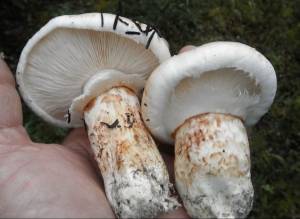 Matsutake is the showpiece. A pine-scented, almost spicy mushroom that comes up in coastal forests in the fall. People in Japan pay a fortune for fresh ones, and our coast happens to grow some of the best in the world. Dried, the smell is concentrated and a little wild. You don’t want to bury that flavor under heavy sauces. Keep it simple. The classic move is matsutake rice. Soak a few slices, mince them fine, and cook them right into a pot of short-grain rice with a splash of the strained soaking liquid, a glug of soy, and a small pour of sake or mirin if you have it. Top with sliced green onion. That’s dinner.
Porcini is the cozy one. Deep, meaty, savory. If you’ve ever had a really good mushroom risotto in an Italian restaurant, that flavor came from porcini. Rich without being heavy. Reach for them when you want something comforting on a damp coastal evening. A simple porcini risotto is hard to beat. Sauté a small diced onion in butter. Add a cup of arborio rice and stir until it smells nutty. Splash in a little white wine. Then slowly ladle in warm broth made from the soaking liquid plus chicken or vegetable stock, stirring as you go. When the rice is tender, fold in the chopped rehydrated porcini, a handful of parmesan, and a pat of butter. Salt to taste.
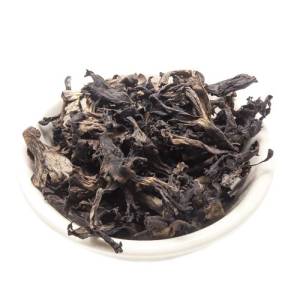 Black trumpets look like little dark horns. The flavor is smoky and almost truffly. They turn a plain cream sauce into something that tastes fancy. Use them when you want depth without much work. My favorite use is a quick cream pasta. Sauté a minced shallot in butter. Add the chopped rehydrated trumpets and cook for a minute. Pour in a splash of white wine and let it reduce. Add a half cup of cream and a spoonful of the soaking liquid. Toss with cooked pasta, plenty of parmesan, and black pepper. Done in about fifteen minutes.
Morels are the spring mushroom everyone gets excited about. Honeycomb texture. Deep, nutty flavor. They love butter, cream, and eggs. The simplest way to enjoy them is over toast with eggs. Sauté the rehydrated morels in plenty of butter with a clove of garlic and a sprig of thyme. Soft-scramble a couple of eggs alongside. Pile both onto good sourdough. Finish with flaky salt. It’s a quiet kind of breakfast that feels like a small celebration.
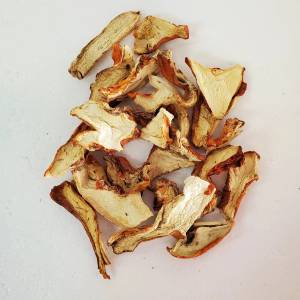 Lobster mushrooms have a coral-red color and a flavor that, oddly enough, hints at seafood. That makes them a natural for soups and stews. A lobster mushroom and corn chowder is one of those meals that warms up a wet January night. Sweat a diced onion in butter with a stalk of celery. Add diced potatoes and a generous handful of chopped rehydrated lobster mushrooms. Pour in the strained soaking liquid plus enough broth to cover. Simmer until the potatoes are soft. Add a cup of corn kernels and a splash of cream at the end. Top each bowl with chives and cracked pepper.
Each mushroom is a little piece of forest, dried and saved for later. You’re not just buying a seasoning. You’re buying something a person hiked into the woods to find.
 Closing thoughts
Fall and winter are when these mushrooms really shine. Partly because the season fits the flavor, and partly because so many of them come up in the woods during that rainiest time of year. Buying them dried means you can keep that forest taste in your kitchen year round.
Add a bag to your next Otterbee’s order. Tuck it in the freezer. Then, the next time you’re staring at the fridge wondering what to make for dinner, pull them out. Pour some warm water over them. Let the kitchen start to smell like the woods after a rain. The rest tends to take care of itself.
Anna Nelson is a writer and editor based in Smith River, CA. She writes about local food and seasonal shifts and is a proud OtterBee’s shopper and contributing author to the OtterBee’s Market blog.