

by Anna Nelson – Fall settles in quietly on the coast. One minute you’re slicing tomatoes from late summer, and the next you’re carrying home a bag full of kale, apples, root vegetables, squash, and bags of hazelnuts that smell like cool mornings and woodsmoke. Building a fall produce box isn’t about rules so much as paying attention to what tastes good now. The farms around Brookings and Crescent City give us such a mix this time of year that the bag practically fills itself. What you get is shaped by rain, soil, and the hands that pulled each ingredient from the ground a few miles from home.
Roots, Potatoes, and the Vegetables That Carry Us Through Fall
 The backbone of any fall box is the root vegetables, and this week they’re especially good. Painted Purple potatoes, red golds, and yellows all hold their shape beautifully when roasted. They taste like they were taken out of the soil yesterday because, in many cases, they were. Golden beets caramelize in the oven with almost no effort. A simple supper is mixing roasted beets with chunks of Painted Purples and finishing with garlic melted into butter.
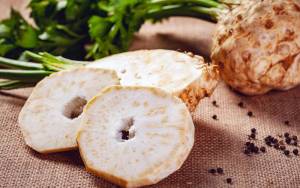
Celeriac deserves its own moment. It’s one of those vegetables people overlook until they finally try it. Inside the rough exterior is a pale, fragrant flesh that tastes like celery and herbs with a bit of fall air mixed in. Slice it thin and roast it until soft, or tuck it into a pot of chicken soup along with a handful of local potatoes. Celeriac has a way of grounding a meal, and when it comes from just up the road, it still feels alive in your hands.
Greens, Herbs, Mushrooms, and the Heart of Fall Flavor
 Fall greens take on a different personality after a few cold nights. Lacinato kale gets sweeter, sturdier, and somehow more inviting. Tear it into a pot of cream and garlic and simmer until it softens, or turn it into a pesto that you spread on toast with a little sharp cheddar shaved across the top. The garlic from local growers snaps open with that fresh, spicy aroma that tells you the season has shifted.
Mushrooms might be the truest taste of early fall here. The black trumpets and chanterelles coming in from local foragers smell like the forest floor after rain. They don’t need much. Melt a spoonful of salted butter, add a clove of garlic, and sauté until they relax in the pan. Pile them onto toasted bread or swirl them into a quick cream sauce. When food comes from people wandering the same ridges and trails we hike, the flavors feel familiar in a way you can’t fake.
Apples, Hazelnuts, Butter, and Cream: The Small Luxuries of the Season
Every fall box needs something bright and something rich, which is why apples and hazelnuts belong together. The Granny Smiths from Smith River Organic Farm bring that clean snap. Slice them thin and toss them with toasted hazelnuts for a salad that tastes like both orchard and forest. Or cook the apples down in butter until they soften, then finish with a handful of chopped hazelnuts for crunch.
 Hazelnuts are a quiet Oregon icon. Most of the country’s hazelnuts come from here, grown in tidy orchards that line the Willamette Valley. They’re one of our region’s oldest cultivated crops, historically used by Indigenous communities as a high-energy fall staple. Modern growers still rely on the same steady mix of climate and soil: cool winters, gentle summers, and enough moisture to keep trees happy. The nuts you get through OtterBee’s each fall are usually from small or mid-sized orchards in the Umpqua Valley, often harvested and roasted close to home. Fresh-roasted hazelnuts have a warm, creamy flavor that’s worlds apart from the stale store versions. They smell like campfires and cold mornings. They belong in almost everything this time of year.
Butter and cream round things out. The A2/A2 heavy cream from Alexander Dairy and butters from Rumiano Cheese Company help fall ingredients lean into comfort without getting heavy. Stir a splash of cream into mashed potatoes or fold it into baked apples. Melt butter over roasted squash and finish with cracked hazelnuts. Or stir hazelnuts into a pan of sautéed mushrooms and let everything toast together. Simple food tastes special when the ingredients come from down the road.
Squash, Sweet Things, and the Cozy Finish to a Fall Box
 The Starry Night acorn squash makes a fall box feel complete. It looks like something you’d set in the window, but it tastes even better. Roast it cut-side down until the edges give slightly, then scoop the insides into a bowl with cream or butter. It’s sweet without being sugary, and it settles you into the season.
And then there are the small treats. The Salty Classic caramels from Oregon land right in that sweet spot between simple and grown-up. I usually unwrap one before I finish putting the groceries away. Fall cooking has a way of taking itself seriously, so a little sweetness helps keep things balanced.
A Fall Box That Feels Like Home
 Putting together a fall produce box is really a way of noticing where we live. The food that grows here right now tastes earthy, bright, and a little wild, shaped by fog, rain, and the steady rhythm of small farms. Every potato, hazelnut, apple, and mushroom comes with almost no travel time, which means the flavor is still intact when it reaches your kitchen. That’s the quiet magic of eating locally.
If you’re filling an OtterBee’s order this week, fall ingredients are at their peak. Roots, squash, apples, greens, hazelnuts, butter, mushrooms. All the pieces of a slower, cozier season. Add a few of these to your next bag and see where they take you. Chances are it’ll be toward something simple and good.

