

by Anna Nelson – Here in the Pacific Northwest, this time of year is one of my favorite for good reason: the arrival of fresh cranberries harvested locally. These tart, ruby-red little gems often get framed as just a Thanksgiving accessory, but around here they’re a whole lot more: a seasonal anchor, a story of place, and a really good ingredient for your cooking. Let’s dig into why the cranberries we’re seeing this week at OtterBee’s are worth celebrating.
Where they grow and what makes them special
Cranberries might evoke images of bogs in Massachusetts or Wisconsin, but in our region they’ve found a sweet spot — especially around Bandon on the southern coast. That town and its surrounding farms cover around 1,600 acres of cranberry beds, producing roughly 30 million pounds of berries and representing the lion’s share of Oregon’s crop.
Those coastal farms benefit from sandy, acidic soils, gentle ocean-milder winters and an extended growing season, the kind of conditions that allow the berries to stay on the vine (or vine runner) longer than they might farther east. It’s this extra time that gives our PNW cranberries a deeper red color and, often, a touch more natural sweetness (less harsh tartness) compared with berries from colder, earlier-frost regions.
The way they’re grown is worth considering for a moment, because cranberries are one of those crops that people think they know, but probably don’t. They aren’t grown on trees or bushes like most fruits. Instead, they grow on low, trailing vines that creep along sandy, peaty soil and form thick mats of glossy green. In our area, these vines sit and mature in carefully constructed beds: flat, rectangular fields surrounded by earthen dikes. Farmers call them bogs, but unlike the permanent wetlands people often imagine, these beds are drained and dry most of the year. That’s because cranberries don’t actually grow in water. They just need it at certain times, especially for harvest.
When harvest season hits, usually in October, the farmers flood the beds a foot or two deep, turning those fields into temporary shallow ponds. A specialized harvester then stirs the vines, releasing the ripe berries, which float to the surface thanks to tiny air pockets inside each fruit. Watching the process is something special, acres of water suddenly turned bright red as the berries drift together in dense clusters before being corralled and pumped or scooped out. It’s efficient, beautiful, and uniquely Oregon. Once the water drains away, the vines go dormant for winter, protected under a layer of mulch or light frost, ready to spring back with new growth next year.
What makes this process particularly interesting here in the Pacific Northwest is how our climate shapes it. Unlike Wisconsin or Massachusetts, where early frosts can end the season quickly, our mild coastal weather lets the berries stay on the vine longer. That extra time builds deeper color and richer flavor. Growers can wait until the berries reach their full potential instead of harvesting early to beat the freeze. It’s one of the quiet advantages of farming along this coast, cool nights, gentle rain, and just enough warmth to ripen the fruit slowly. That slower pace gives Oregon cranberries their balance of tart and sweet, and it’s why the ones grown around Bandon have such a loyal following. When you pick up a bag from OtterBee’s this week, you’re tasting the result of that careful rhythm, fields tended, flooded, and drained at exactly the right moments, all under the kind of weather that makes this region so good at growing things worth savoring.
 What they bring to the table (and to your health)
When you pick up a bag of fresh cranberries this week, you’re getting more than just color. Nutritionally, cranberries are a good source of vitamin C, fiber and a handful of other microminerals. But the real headline is the plant compounds they carry: flavonoids, proanthocyanidins, anthocyanins — the sort of stuff that gives berries their vivid color and health-related potential.
Research shows some promise: certain cranberry compounds may help inhibit bacteria from sticking in the urinary tract (so there’s discussion around UTIs), may support heart and oral health (via antioxidant and anti-inflammatory effects) and offer general benefits for gut health. To be clear, they’re not cure-alls, but they are a meaningful hit of wholesome nutrition.
From a local-sustainability perspective, these berries carry shorter food-miles when picked and distributed here in the PNW, they support smaller-scale farms in our region, and they often travel less, which is better for freshness and flavor. The warmer PNW fall means the fruit can hang longer and ripen more fully than in many frost-early zones and that extra time gives you a berry that tastes like the season.
Simple ways to make them shine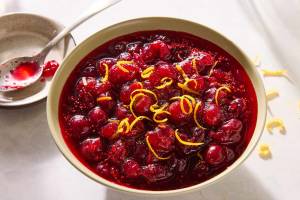
So how to use them? Because these local cranberries are a bit sweeter, they’re easier to work with than the ultra-tart grocery-store kind.
- One of my favorite ideas: cook them into a cranberry sauce just using orange juice (instead of a ton of sugar) and maybe a little maple syrup, simmered until the berries burst and the sauce thickens. The orange brightness cuts through the tart-sweet balance nicely.
- Then there’s this: toss fresh cranberries (halved) into a fall salad with toasted walnuts, shaved Parmesan and a light vinaigrette, the pop of tangy berry works beautifully.
- Another: fold fresh cranberries into muffins or quick bread alongside orange zest and chopped pecans, so the floury crumb meets that tart snap of berry.
Why local really counts
When you buy cranberries grown here in the PNW you’re not just buying a fruit, you’re investing in place, season and community. The growers around Bandon and along the Oregon coast have family farms and generations of knowledge. They’re working with the land, with watery soils and coastal climates, and when you support them you’re helping keep local agriculture vibrant. Also, from a taste standpoint: those berry-flushed fields and longer hang-time mean berries that aren’t just tart out of necessity but flavor-rich and nuanced.
 In our region’s harvest rhythm, cranberries mark the crisp shift into full autumn: cooler mornings, the gathering of farm committees, bogs being prepped for harvest, the scent of coastal salt in the air and a flash of red among the greenery. It’s food that connects to place and time.
So as you’re browsing your options this week, consider tucking a bag of these PNW cranberries into your cart. Use them fresh or freeze a portion. Try the orange-infused sauce or the muffin idea. And then when you sit down to a fall meal, you’ll know you’re working with something grown nearby, grown thoughtfully, and flavor-ready.
Here’s to local cranberries, to working with the season and supporting region-grown produce. Don’t forget to add a bag to your OtterBee’s order this week — they’re small, vibrant and have a big story.

