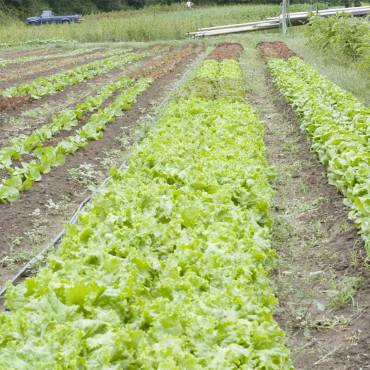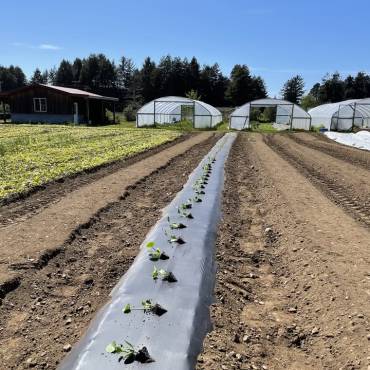

by Anna Nelson – If you’ve ever tucked a bunch of rainbow chard into your OtterBee’s shopping cart or bitten into one of those crisp, sweet carrots that hardly need peeling, chances are you’ve already had a taste of Valley Flora Farm. They’re tucked away in the Floras Creek valley near Langlois, a few hours up the coast, and they’ve been feeding this corner of Oregon for more than two decades. At OtterBee’s, we’re lucky to work closely with them and to bring their fruits and vegetables straight to your door.
Meet Valley Flora Farm
Valley Flora isn’t just any farm. It’s a second-generation, family-run operation with deep roots in the South Coast soil. Sisters Zoë and Abby, along with their mom Betsy, run the farm together, and you can feel the family thread woven through everything they do. Farming here isn’t only about growing food; it’s about caring for a place, paying attention to the ecosystem, and keeping a way of life alive.
One of the things that makes Valley Flora stand out is the way they treat the land. They’re big believers in soil health, and it shows. Healthy soil grows healthy food, plain and simple. Instead of relying on chemicals, they use cover crops, compost, and rotation to keep their fields rich and alive. That means more biodiversity on the farm, fewer pests to battle, and crops that are more resilient when weather swings one way or the other. For those of us who care about where our food comes from and what it means for the climate, this is the kind of farming we want to support. Every head of lettuce, every bunch of beets is part of a bigger cycle that puts carbon back in the ground and keeps our local ecosystem humming.
A Harvest Through the Seasons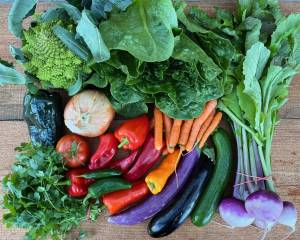
When you order from OtterBee’s, you’ll see Valley Flora’s name pop up a lot. Their growing season is wide and generous, and it fills our produce list with color. In the spring, they’re bringing us greens: spinach, kale, chard, and tender baby arugula. By summer, the tables turn toward giant heads of lettuce, carrots, cucumbers and zucchini, plus the jewel of their farm—berries. Their strawberries, in particular, are legendary. The kind you’ll eat by the handful, still warm from the sun if you’re lucky enough to get them that fresh. Later in the season, you’ll see things like fingerling potatoes, broccoli and cauliflower, winter squash, and hearty root crops that carry us into fall and winter.
One of my favorite facts about Valley Flora is how intentional they are about diversity. Not just crop diversity, but also the diversity of people who make the farm tick. They’ve created a workplace that trains and employs young farmers, giving them a chance to learn the trade in a hands-on, real-world way. Farming isn’t easy—anyone who’s done it knows it takes stamina, ingenuity, and a lot of patience—but Valley Flora has made it part of their mission to share that knowledge forward.
And if you’ve ever had a CSA share from them directly, you know they’re also excellent at connecting with eaters. They’ve built a whole community around their farm, with newsletters that read like letters from a neighbor and events that invite people into the fields. It’s the same spirit we try to carry at OtterBee’s: that food isn’t just a product, it’s a relationship.
 Why Local Food Matters
There’s another layer to this relationship too. When you buy Valley Flora produce through OtterBee’s, you’re not just getting local food—you’re helping cut down on the miles your groceries travel. The lettuce you pick up from a supermarket in Crescent City might have logged a thousand miles in a truck before it hits the shelf. The lettuce from Valley Flora? Grown a little over an hour away and harvested the day before it’s in your salad bowl. That difference matters, both in taste and in impact. Fewer food miles mean less fossil fuel burned, and less fossil fuel burned means cleaner air and a stabler climate.
It’s easy to think of farming as old-fashioned, but Valley Flora is anything but stuck in the past. They’ve invested in renewable energy, they work constantly to improve their systems, and they’re deeply aware of the role small farms play in building a sustainable future. They also make farming approachable and even joyful—there’s humor in their newsletters, honesty about crop failures, and a lot of celebration when the harvest is good. That kind of openness builds trust, and trust is what holds a local food system together.
Taste the Difference
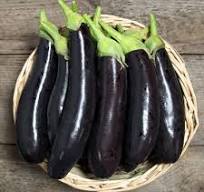
Some of the Valley Flora highlights you’ll find at OtterBee’s include their carrots (sweet, crunchy, and kid-approved), rainbow chard (which looks like stained glass in a sauté pan), beets (one of my all time Otterbee’s favorites), broccoli, cabbage, and tender salad mixes. In the summer, their strawberries, eggplant, and zucchini are always a hit, and when the weather cools, their potatoes and squash help anchor hearty fall meals. They’re one of the reasons our weekly produce list feels so abundant, even in the shoulder seasons when fresh produce can be harder to find.
For me, the connection to Valley Flora is personal too. When I’m cooking with their greens or roasting their beets, I know the people who grew them are right up the road, looking at the same coastline and weather patterns as I am. That sense of place is something you can taste. Food from Valley Flora doesn’t just fill your belly—it ties you to this land, this climate, this community.
 That’s the bigger picture at OtterBee’s. We’re not just curating a list of products for convenience. We’re knitting together the work of farms like Valley Flora with the lives of families in Brookings, Gold Beach, Smith River and Crescent City. It’s local resilience in action: food grown here, eaten here, sustaining the people and land here.
So next time you’re building your order, take a moment to notice the Valley Flora name. Try something you haven’t before—maybe kohlrabi or fennel, or a new variety of greens. And when you bite in, think about the Floras Creek valley, where Zoë, Abby, and Betsy are out there in the fields, making choices every day that shape not only the flavor of your meal but the future of farming on the Southern Oregon Coast.