
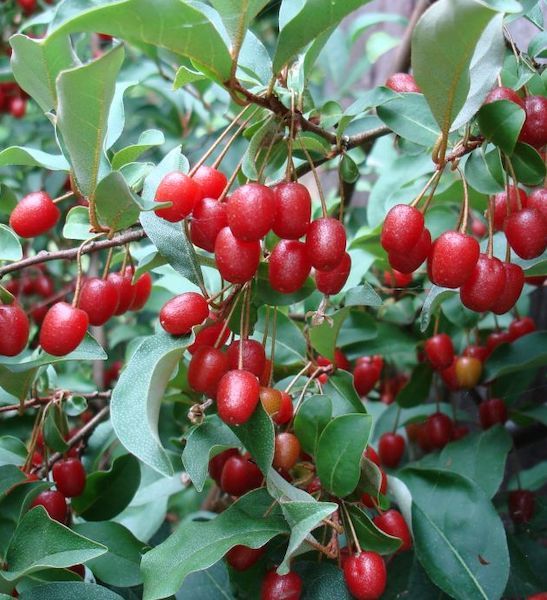
 by Anna Nelson – As someone who writes for OtterBee’s, I feel like it’s my duty to try every new item that shows up on the site—especially the ones I’ve never heard of. So when I saw goumi berries listed, I added them to my cart out of pure curiosity. I wasn’t totally sure what I was signing up for, but they looked interesting and I figured, why not?
They turned out to be a delightful surprise. Tart, for sure, but in a bright, refreshing way. Like a cherry with a twist of citrus and a slightly earthy undertone. A little sweet, especially when you hit a riper one. There’s a small pit inside—so yeah, kind of like cherries that way—but once you get the hang of eating around it, they’re addictively snackable.
That first handful sent me down the rabbit hole: what are goumi berries, where do they come from, and how else can you use them? If you’re curious too—or if you’ve got a carton in your fridge and no idea what to do with them—this post is for you.
What Are Goumi Berries?
Goumi berries (pronounced “goo-mee”) come from a shrub called Elaeagnus multiflora, which is part of the oleaster family. They’re native to East Asia—places like China, Korea, and Japan—where they’ve been cultivated for centuries for both their fruit and their medicinal properties. The plant itself is hardy and nitrogen-fixing, which means it actually improves soil health. That makes it popular with permaculturists and small-scale growers who care about soil regeneration and biodiversity.
 The berries are small, oval, and a bright, glistening red, speckled with silvery dots that almost make them sparkle. They ripen in late spring to early summer—usually ahead of many other berries in the season. That makes them a fun treat when you’re still waiting for blueberries, raspberries, and strawberries to hit their stride.
What Do They Taste Like?
The flavor is one of the most unique things about goumi berries. They’re tart and tangy with a pleasant pucker that mellows as the fruit ripens. There’s a touch of sweetness underneath, and the juiciness makes them incredibly refreshing.
They’ve been compared to sour cherries, red currants, or even rhubarb, depending on the ripeness and your taste buds. Some people pick them just before peak ripeness to use in jams and sauces, where the tartness balances out the sugar. But I’ve found that eating them fresh—right off the stem—is half the fun.
Just watch out for the pit. It’s small and not too hard to navigate once you know it’s there, but don’t go tossing back handfuls without chewing.
How to Use Goumi Berries
While eating them raw is my current favorite, there are plenty of other ways to enjoy goumi berries:
- Jam and Jelly
Because they’re naturally high in pectin, goumis make great jam. A classic goumi jelly only needs the berries, sugar, and maybe a bit of lemon juice to balance the tartness. You can strain the pits out by simmering the berries and pressing them through a sieve, or do a rustic jam with the pulp and just warn folks about the occasional pit. - Syrups and Shrubs
The berries make a brilliant syrup—great for cocktails, mocktails, or homemade soda. Try steeping them with a little sugar and water, straining the solids, and bottling the result. Add vinegar and you’ve got a goumi shrub (a kind of sweet-sour fruit concentrate that’s been used since colonial times to flavor drinks). - Baked Goods

Toss goumi berries into muffins, scones, or galettes just like you would with other tart fruits. If you’re working with riper berries, the sweetness plays nicely with pastry. For slightly underripe ones, think of them as a sour punch—perfect against a buttery crust or a creamy filling. - Freezer Treats
Pop them into ice cube trays with a splash of lemon juice or mint for a summer drink upgrade, or blend with a little honey and freeze into homemade popsicles or sorbet. The tartness keeps everything tasting crisp and not too cloying. - Fermentation and Preservation
Some folks ferment goumis into wine or mead. Others dry them for a tangy snack, like a twist on dried cranberries. If you’re into preserving, goumis are surprisingly versatile. - Savory Pairings
A handful of goumi berries tossed into a salad with goat cheese and toasted nuts? Yes, please. Their tart bite cuts through creamy, fatty flavors beautifully. They also work well in chutneys or alongside meats that pair well with fruit, like pork or duck.
Why Growers and Foragers Love Them
Besides being tasty, goumi plants are genuinely good for the environment. They grow well without chemicals, thrive in poor soils, and help fix nitrogen. That means they can live side-by-side with other crops and actually improve the soil for them.
They’re also great for pollinators—bees love the small, fragrant flowers—and for birds, who’ll happily snack on the fruit if you don’t beat them to it.
And because they’re still relatively unknown in commercial agriculture, goumi berries are a kind of hidden gem among small farmers and homesteaders. That’s part of why you’re more likely to see them in a market like OtterBee’s than at a chain grocery store.
 Why You’ll Probably See More of Them
There’s a growing interest in unusual and climate-resilient crops—especially ones that pack a nutritional punch. Goumi berries are rich in antioxidants like lycopene, vitamin C, and flavonoids. They’ve been used in traditional medicine for everything from coughs to circulation, and modern studies are beginning to look at their potential anti-inflammatory and immune-supportive properties.
They also grow well in our region, especially in small-scale, organic systems that value soil health and biodiversity. So don’t be surprised if goumis become a spring and early summer staple here at OtterBee’s.
A Few Quick Tips
- Storage: Keep them in the fridge. They’ll stay fresh for a few days but are best eaten soon after harvest.
- Pit Strategy: If you’re eating them raw, just nibble around the seed or spit it out like you would with cherries or olives.
- Kids & Pets: The seeds are technically edible, but not ideal for small kids. Don’t feed goumis to dogs—some dogs don’t tolerate fruit pits well.
Final Thoughts From a First-Time Goumi Fan
I went into this totally blind—never heard of goumi berries, didn’t know how to eat them, wasn’t sure if I’d even like them. And now I’m a little obsessed. They’re a bright, tart surprise that feels like summer waking up. A little wild, a little rustic, but packed with flavor.
So if you see them on the OtterBee’s site this week, don’t skip them. They might be your new favorite fruit—especially if you’re into unique flavors, local food, and trying something most folks have never heard of.
I’m already thinking about making a small batch of jam before the season ends. Or maybe just eating the rest straight out of the basket. One tangy little berry at a time.

