
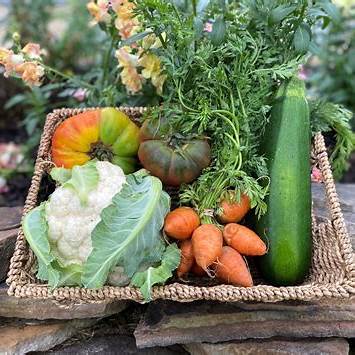
by Anna Nelson – Ever open your fridge after a local grocery delivery and think, “Now what?” You’re not alone. The joy of buying fresh, regional produce is real, but so is the challenge of turning those vibrant vegetables, pasture-raised eggs, and small-batch pantry goods into meals that make sense day to day.
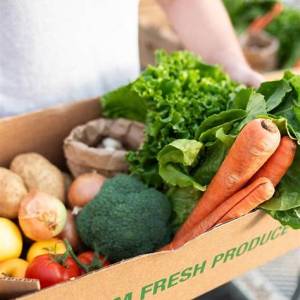 At OtterBee’s Market, we offer the best the southern Oregon coast and northern California have to offer—produce picked just down the road, eggs from hens you might drive past on your morning commute, hazelnuts grown by families who’ve tended the same trees for generations. It’s food with a story. But it still has to land on the plate in a way that fits your real life.
Here’s how to build a weekly produce box that works with you, plus a sample meal plan based on what’s fresh and available right now in late spring (May & June).
The Building Blocks of a Late Spring Box
Think of your box as a meal-building toolkit. For this time of year, that might include:
- Tender greens like spinach, chard, or curly kale
- Early roots such as beets, carrots, or scallions
- Quick-cook veggies like early zucchini, garlic or young onions
- A protein or two: pasture-raised eggs, grass-fed beef, or wild-caught shrimp (often frozen)
- Early fruits (if any): lemons, strawberries, or dehydrated apples or pears
- Pantry staples: sharp cheddar, hazelnuts, butter, yogurt, or hazelnut oil
This mix gives you flexibility without overwhelm. You’ll be able to mix and match all week without needing to supplement too much.
A Week of Meals from Your OtterBee’s Box (Late Spring Edition)
Monday: Clean and Green Start
- Breakfast: Grass-fed yogurt with roasted hazelnuts and a drizzle of local honey.
- Lunch: Mesclun salad with shaved carrots, scallions, hard-boiled eggs, and a lemony vinaigrette.
- Dinner: Sautéed spinach and garlic over rice or quinoa, topped with a sunny-side-up egg and a sprinkle of cheddar.
Tuesday: Rooted in Flavor
- Breakfast: Scrambled eggs with kale and garlic, served with toast and local butter.
- Lunch: Beet and carrot slaw with a hazelnut oil dressing, served alongside roasted veggies.
- Dinner: Grass-fed burger patties with roasted beets and a zucchini-garlic sauté.
Wednesday: Bowl It Up
- Lunch: Grain bowl with chard, shredded carrots, roasted beets, and a dollop of hazelnut butter thinned with lemon and water.
- Dinner: Stir-fried zucchini, scallions, and garlic with salad shrimp (from frozen), tossed with brown rice and finished with lemon.
Thursday: Light and Quick
- Breakfast: Yogurt parfait with chopped apples or dried fruit, granola, and hazelnuts.
- Lunch: Open-faced egg salad sandwich, served with a side salad of mesclun and shaved carrots.
- Dinner: Sheet pan roast of zucchini, carrots, garlic, and beets, served warm over spinach with a drizzle of cheddar sauce or tahini.
Friday: Frittata Night
- Dinner: Frittata with kale, scallions, zucchini, and cheddar. Serve with a simple mesclun and beet salad.
Saturday: Something Cozy
- Lunch: Carrot and garlic soup with spinach and croutons.
- Dinner: Carne asada (or another protein) with sautéed vegetables and a lemony spinach slaw.
Sunday: Prep and Enjoy
- Brunch: Maple-spiced breakfast hash with beets, carrots, and eggs. Add scallions or garlic for extra flavor.
- Dinner: “Use what’s left” salad with any remaining veggies, hard-boiled eggs, and pantry toppings like hazelnuts or hazelnut butter toast.
Tips for Getting the Most from Your Box
- Roast a Bunch at Once
Beets, carrots, and zucchini all do great roasted. Do a big batch early in the week and use them in bowls, salads, or warm dinners. - Let Leftovers Lead
Half a zucchini here, an extra egg there—almost anything can be tucked into a frittata or turned into a grain bowl. - Follow the Season
Right now, we’re moving from spring roots and greens into early summer squash and herbs. Eating with the seasons isn’t just tastier, it’s better for the planet: fewer food miles, less energy used for storage and transport, and more support for local growers who steward the land. - Build a Pantry Safety Net
Cheese, hazelnuts, butter, and good oil go a long way toward turning basic produce into craveable meals. Add one or two to your order each week and build a stash you can rely on. - Mix Raw and Cooked
Raw salads, roasted sides, sautéed mains—using a mix of techniques keeps things interesting and helps reduce waste.
Make It a Seasonal Habit
We’ll be back with a new version of this plan every season, because your produce box shifts with the weather, and your meals should too. Whether you’re feeding one or five, keeping it simple is the real secret. A few go-to techniques (roast, sauté, frittata, bowl) can turn any mix of local ingredients into something satisfying.
OtterBee’s makes it easy: no subscription, no pressure. Just real food, delivered weekly in reusable bags, grown and made by people who live where you live. And when you eat what’s in season, you’re not just feeding yourself well. You’re taking care of the place you call home. Because eating well shouldn’t be complicated—it should be local.

